

Advantages of 3D PE Plastic Bags
Due to their unique three-dimensional structure and the properties of PE material, 3D PE plastic bags are an ideal choice for packaging modern industry, logistics, and hardware parts. Compared to traditional flat plastic bags, 3D PE plastic bags offer greater capacity, more stable support, and higher physical protection, significantly improving the efficiency of storing, transporting, and managing parts, accessories, and small products.
I. Physical Performance Advantages
3D PE plastic bags are made of high-density polyethylene (PE) material, possessing excellent flexibility and abrasion resistance. The three-dimensional structure makes the packaging bag more stable during storage or stacking, reducing damage to the contents from tipping and compression. The standard thickness range is 6-12 microns (0.06-0.12mm), with thicker designs available based on product weight and sharpness. Heavy-duty parts can be fitted with 18-20 microns thicker versions, effectively preventing punctures, tears, and bursts, ensuring the safety of parts during long-distance transportation. PE material itself is moisture-proof, dust-proof, and oil-proof, effectively protecting hardware parts, electrical components, electronic accessories, and other industrial items inside the packaging, extending their shelf life.
II. Capacity and Adaptability Advantages
One of the biggest advantages of 3D PE plastic bags is their flexible capacity. The 3D design maximizes internal space utilization, accommodating larger parts or batches of small products, avoiding the collapse or compression issues common with traditional flat bags. Furthermore, multiple sizes are customizable, adaptable to everything from small parts (such as gears and screws) to large accessories (such as industrial tools and machine parts). Size, thickness, and shape can be customized to customer needs, ensuring parts fit securely within the bag and reducing damage from shaking or compression.
III. Functional Customization Advantages
3D PE plastic bags can be customized to meet different application needs. For example, anti-static PE bags protect electronic components and precision hardware from electrostatic damage; rust-preventive masterbatches or antioxidant additives provide long-lasting rust and oxidation protection for metal parts. In terms of form, 3D PE bags can be designed with a flat opening, a frame, or with zippers and handles. Frame designs support repeated opening and closing for easy access, while handle and zipper designs facilitate handling and categorization. Some packaging can include pre-defined labeling areas for easy inventory labeling, parts classification, and quick identification.
IV. Operational and Usage Advantages 3D PE plastic bags are lightweight and easy to handle, compatible with mechanized sealing equipment, and support heat sealing, embossing sealing, or vacuum packaging, improving production line and warehousing efficiency. In warehousing and transportation, the stable structure of 3D PE bags prevents parts from shifting, colliding, and being crushed, while facilitating stacking and handling, reducing transportation breakage rates. Environmentally friendly materials meet recyclability standards, with a recycling rate exceeding 90%, saving costs and aligning with green production principles.
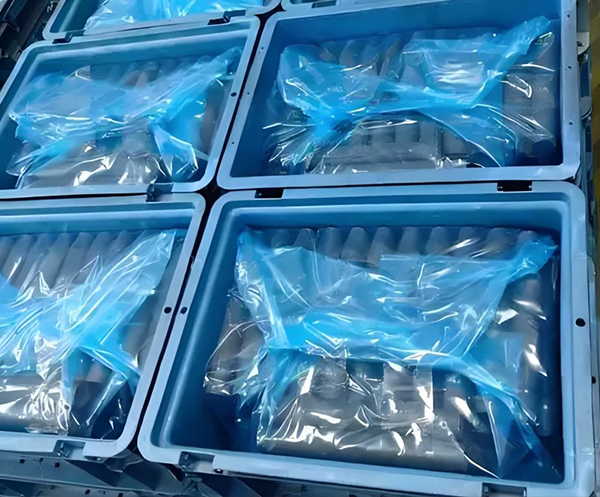
V. Application Scenarios Advantages 3D PE plastic bags are widely used in industries such as hardware, electronics, machinery manufacturing, logistics, warehousing, and export transportation. They are suitable for the storage, handling, and transportation of standard fasteners, small accessories, large tools, and precision parts. Through multiple specifications and functional customizations, 3D PE bags can provide comprehensive safety protection for various parts from warehousing to transportation, ensuring the integrity of parts during circulation while improving management efficiency and operational convenience.
Summary 3D PE plastic bags, with their three-dimensional structural design, customizable sizes, multifunctional characteristics, and excellent physical properties, have significant advantages in modern industrial packaging. It can effectively protect hardware parts, electronic components and various industrial products, improve the efficiency of logistics, warehousing and production line operation, reduce transportation and storage losses, and meet the requirements of environmental protection and sustainable development. It is a reliable and economical solution in the industrial and B2B packaging fields.
Customizable 3D PE plastic bags, with their unique three-dimensional design and full-range customization capabilities, have become an efficient protective solution for storing and transporting parts and accessories. Made primarily from polyethylene (PE), these bags combine flexibility, moisture resistance, and puncture resistance, precisely adapting to the protective needs of various components. They effectively reduce the risk of damage from collisions, moisture, and dust, making them widely used for electronic components, mechanical parts, and hardware items.
The 3D structure is the key to their high protective performance. When unfolded, these bags form a cuboid or cube shape, comprising five structural surfaces: front, back, two sides, and bottom. The flat bottom design allows the bag to stand independently, facilitating neat stacking and storage while minimizing excessive movement of parts during transportation. Compared with flat packaging bags, the 3D structure fully encloses the components, reducing exposed edges. Combined with the inherent moisture- and dust-resistant properties of PE, the bags provide a clean and dry protective environment, especially suitable for precision electronic components that are sensitive to environmental conditions.
Full-range customization ensures precise protective fit. Size options cover small bags for micro-components to ultra-large dimensions of up to 300cm × 300cm × 300cm for large machinery parts. Length, width, and height can be designed to specification, with dimensional tolerance controlled within ±2mm for accurate component fit. Material and thickness are flexible: lightweight components can use LDPE for enhanced flexibility with thicknesses of 0.02–0.04mm, while heavy machinery parts can use high-hardness, puncture-resistant HDPE with thicknesses exceeding 0.08mm. Functionally, bags can be customized with anti-static properties (surface resistance 10⁹–10¹⁰Ω), anti-oxidation protection, tear strips, or resealable closures to improve usability.
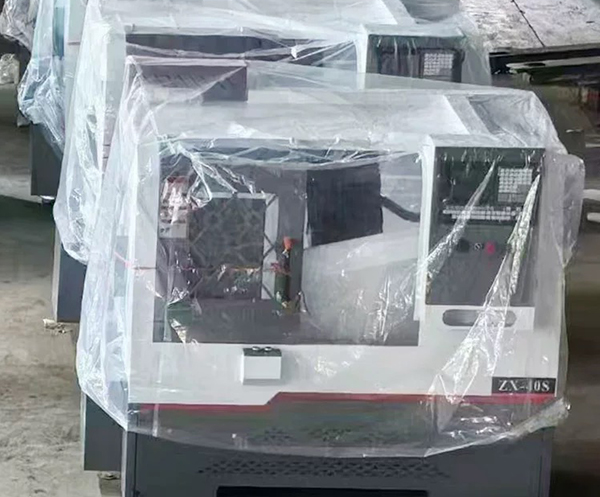
The protective benefits are further enhanced during application. Transparent material allows easy identification of contents, improving inventory and storage efficiency. Tight heat-sealed closures can be combined with desiccants to strengthen moisture protection. For batch packaging, these bags are compatible with automated sealing processes, significantly improving packaging efficiency. With additional reinforcement using outer cartons, they can meet the stringent demands of long-distance logistics and cross-border transportation. Optional biodegradable PE materials meet environmental standards, balancing protection and sustainable production requirements. Overall, customizable 3D PE plastic bags provide a flexible, reliable, and comprehensive packaging solution for parts and accessories across the supply chain.
Frequently Asked Questions (FAQs):
1. Can 3D PE plastic bags be customized according to part dimensions?
Yes. We offer full-size customization services, designing bags based on the length, width, height, and weight of parts to ensure a tight fit within the packaging, preventing movement or damage. Whether it's micro-electronic components or large mechanical parts, we can precisely fit to meet the storage and transportation needs of different customers.
2. How to choose the PE bag material and thickness?
3D PE bags can be made of LDPE or HDPE. Lightweight parts are suitable for highly flexible LDPE with a thickness of 0.02–0.04mm; heavy-duty parts can use HDPE with a thickness of up to 0.08mm or more to enhance puncture resistance, tear resistance, and pressure resistance. We can provide professional advice based on the type of parts and shipping conditions to ensure safe and reliable packaging.
3. Are 3D PE bags moisture-proof, dust-proof, or anti-static?
Yes. PE material is naturally moisture-proof and dust-proof. For precision electronic components, anti-static versions (surface resistance 10⁹–10¹⁰Ω) can be customized to prevent electrostatic damage. For easily rusted parts, anti-oxidation or rust-inhibiting masterbatches can be customized for long-term protection. Combining vacuum or heat sealing further enhances packaging protection.
4. What forms and functions are available for 3D PE plastic bags?
Flat bags, skeleton bags, and styles with zippers or handles are available. Skeleton bags can be repeatedly opened and closed for easy access, flat bags are suitable for mechanized sealing, and zipper and handle styles facilitate handling and classification management. Some styles can have pre-defined marking areas for easy inventory counting and quick parts identification.
5. What industries and applications are 3D PE plastic bags suitable for?
3D PE plastic bags are widely used in the industrial, electronics, machinery manufacturing, hardware, warehousing and logistics, and export transportation industries. They are suitable for parts storage, intermediate packaging on production lines, bulk transportation, and cross-border logistics. Through multiple specifications and functional customizations, they can provide end-to-end protection for parts and accessories while improving warehousing and logistics operational efficiency.
This website uses cookies to ensure you get the best experience on our website.
 Español
 Pусский
 Deutsch
 العربية



 WhatsApp
 Phone
Phone