

Have you noticed that non-Woven Bags are becoming increasingly common? They are frequently used for takeout packaging, with many food delivery businesses replacing plastic bags with non-woven bags. Why is this? Are non-woven bags environmentally friendly?
Non-woven fabric is a type of fabric that doesn't require spinning or weaving. It's made by orienting or randomly arranging short fibers or filaments to form a web structure, which is then reinforced using mechanical, thermal bonding, or chemical methods.
Non-woven fabric is a non-woven material. It directly utilizes polymer chips, short fibers, or filaments to form a fiber web through airflow or mechanical means, then reinforced through hydroentanglement, needle punching, or thermal rolling, and finally finished to create a non-woven fabric. It's a new type of fiber product with a soft, breathable, and flat structure. Its advantages include not producing fiber debris, being strong, durable, and silky soft. It's also a type of reinforcing material and has a cotton-like feel. Compared to cotton fabrics, non-woven bags are easier to shape and cheaper to produce.
Non-woven bags (also known as non-woven fabric bags) are a green product. They are tough and durable, aesthetically pleasing, breathable, reusable, washable, and can be screen-printed with advertisements and logos, and have a long lifespan.
The product uses non-woven fabric as its raw material. It's a new generation of environmentally friendly material with characteristics such as moisture resistance, breathability, flexibility, light weight, non-flammability, easy decomposition, non-toxicity, rich colors, low cost, and recyclability. This material can naturally decompose outdoors within 90 days and has a lifespan of up to 5 years indoors. When burned, it is non-toxic, odorless, and leaves no residue, thus not polluting the environment.
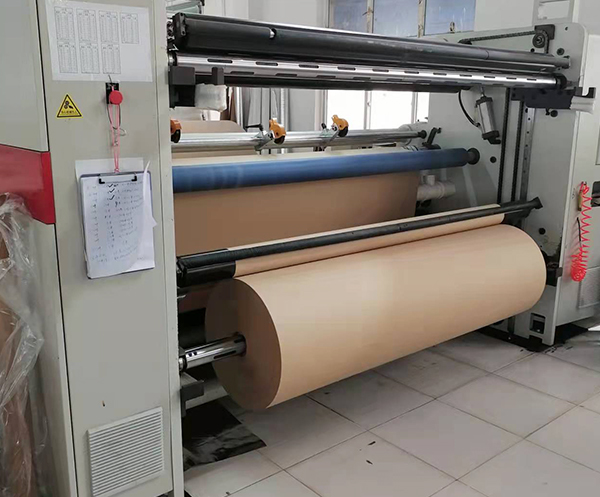
Non-woven bags are a new product that replaces plastic bags (white pollution). With the increase in new energy sources, relevant departments are promoting environmental protection and energy conservation, while environmental pollution is becoming increasingly serious. To get rid of this "white pollution" and make our lives better, many environmentally conscious people have thought of a new product – non-woven bags, and their advantages are obvious.
Non-woven shopping bags are made of non-woven fabric made from plastic. Many people mistakenly believe that because it's called "fabric," it's a natural material, but this is a misunderstanding. Stitch-bonded nonwoven bags are a type of dry-laid nonwoven fabric. The stitch-bonding method uses a warp-knitted loop structure to reinforce fiber webs, yarn layers, non-textile materials (such as plastic films, plastic foils, etc.), or combinations thereof, to produce nonwoven fabrics.
Therefore, nonwoven bags made from this type of nonwoven fabric are widely considered to be economical and environmentally friendly shopping bags.
High-strength Eco-friendly flat bags Suitable for Food and Daily Necessities Packaging
High-strength eco-friendly flat bags are made from food-grade high-density polyethylene (HDPE) or fully biodegradable materials, produced through blowing and sealing processes. They combine high toughness, tear resistance, non-toxicity, and environmental degradability. Their simple structure and convenient use make them an ideal solution for packaging food and daily necessities, precisely meeting protective and compliance requirements.
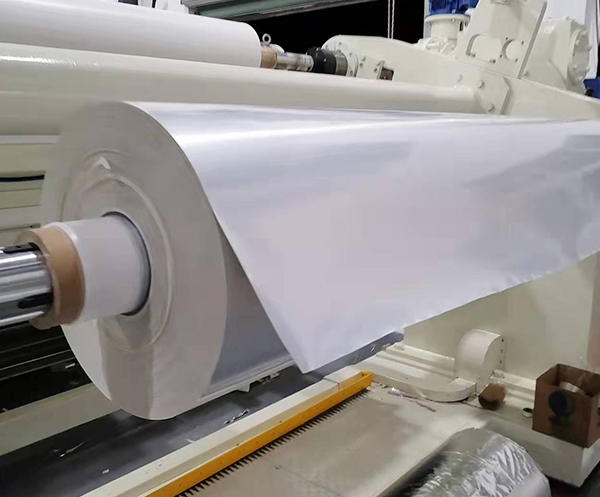
In food packaging, their core value lies in safety and preservation. The bags comply with GB 4806.7-2016 food contact material standards and pass key tests for heavy metal migration and plasticizer residues. They can directly contact dried fruits, snacks, fresh or cooked foods. The material has excellent moisture and water resistance, effectively isolating air and moisture to slow oxidation and extend shelf life. Some customized variants withstand high-temperature cooking or low-temperature freezing, suitable for cold-chain transport and sterilization. The flat design facilitates automated filling and sealing, improving packaging efficiency, while transparent materials allow consumers to view the product directly.
For daily necessities, their high-strength properties are particularly beneficial. Excellent tensile and puncture resistance safely packages clothing, knitwear, small home accessories, and other items, protecting them from compression and abrasion during transport and storage. The materials are recyclable or biodegradable, supporting green and sustainable trends and meeting modern consumer environmental expectations. Sizes and thicknesses can be customized according to product dimensions and weight, with options for printed product information and labeling, balancing protection, storage convenience, and brand presentation. These bags are widely used in retail, e-commerce logistics, and other daily necessities circulation scenarios.
Frequently Asked Questions (FAQs):
1. Is the material of our flat bags safe for direct contact with food?
Our flat bags are made of food-grade high-density polyethylene (HDPE) or fully biodegradable materials, strictly complying with GB 4806.7-2016 food contact materials standards. They have passed key tests such as heavy metal migration and plasticizer residue testing, ensuring direct contact with dried fruits, snacks, fresh produce, and cooked food, guaranteeing safe and non-toxic packaging.
2. How are the tear resistance and load-bearing capacity of these flat bags?
AThe flat bag substrate has excellent toughness and high tensile strength, capable of withstanding compression, friction, and minor punctures during transportation and storage, ensuring the integrity of food and daily necessities during loading, unloading, handling, and distribution, preventing damage and leakage.
3. Are flat bags suitable for cold chain transportation or high-temperature sterilization food packaging?
Some customized flat bags are resistant to both high and low temperatures, suitable for cooking, sterilization, and cold chain transportation, effectively protecting the freshness and safety of food at different temperatures.
4.How environmentally friendly are they? Are they recyclable or biodegradable?
Our flat bags are made from environmentally friendly, biodegradable, or recyclable materials. They can be recycled or naturally degraded after use, meeting green environmental protection requirements and satisfying the sustainable development needs of modern enterprises and consumers.
5. Can the size, thickness, and printing be customized according to product requirements?
Yes. Flat bags can be customized in width, thickness, and roll specifications according to the size and weight of food or daily necessities. They can also support printing product information, brand logos, or category labels, balancing protective performance, convenient storage and transportation, and brand display.
This website uses cookies to ensure you get the best experience on our website.
 Español
 Pусский
 Deutsch
 العربية



 WhatsApp
 Phone
Phone