


Advantages of PE rust-proof bags for Sea Freight
PE rust-proof bags for sea freight are high-performance packaging materials specifically designed for long-distance sea freight, export logistics, and the protection of industrial parts. Leveraging the excellent physical and chemical properties of polyethylene (PE), they have become a reliable choice for ensuring the safe transport of hardware, machinery, electronics, and precision parts. Their advantages are not only reflected in basic protective properties such as rust prevention, moisture protection, and dust protection, but also in durability, lightweight design, and customizable adaptability, providing enterprises with efficient and safe packaging solutions.
I. Excellent Rust and Moisture Protection PE rust-proof bags are made of high-quality polyethylene, possessing natural waterproof and moisture-proof properties. They effectively isolate metal parts from the corrosion of air, moisture, and salt spray, preventing rust during long-distance sea freight. Combined with rust-preventive masterbatch and vacuum or modified atmosphere sealing technology, they provide long-term protection for exported parts, ensuring they arrive at their destination dry, clean, and intact. This is especially important for high-value hardware, machinery parts, and precision electronic components.
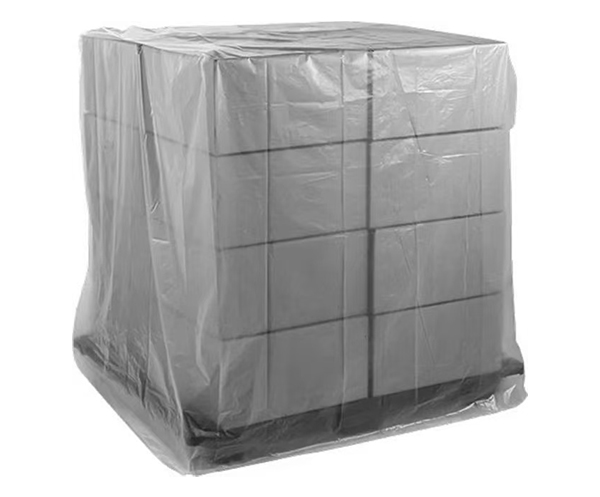
II. Strong Durability and Resistance to Mechanical Damage During sea freight, goods often face mechanical stresses such as collisions, compression, and turbulence. PE rust-proof bags are made of high-strength material, with thicknesses customizable according to the weight and sharpness of the parts, ranging from 0.04mm to 0.12mm. They possess tear-resistant, puncture-resistant, and burst-resistant properties, effectively preventing packaging damage that could expose or damage parts. For large or sharp parts, thicker versions are available to enhance impact resistance and ensure parts safety during transport.
III. Lightweight Design Improves Logistics Efficiency: PE material has a low density, making sea freight PE rust-proof bags lightweight and portable, without adding extra transportation costs. Their lightweight nature facilitates loading, unloading, and stacking, improving packing and warehousing efficiency while reducing manual handling burdens. For bulk parts transportation, this lightweight packaging solution significantly improves logistics efficiency, saving labor and transportation costs.
IV. Multiple Specifications and Customization Advantages: Sea freight PE rust-proof bags can be customized to the size, weight, and transportation requirements of parts, including length, width, height, and thickness, ensuring parts are securely stored within the bag. Customization options include transparent designs for quick identification, handles or self-sealing strips for easy handling, and added anti-static or anti-oxidation features to suit diverse industrial needs. This flexible customization allows companies to choose the most suitable protection solution for different part types, sizes, and shipping conditions.
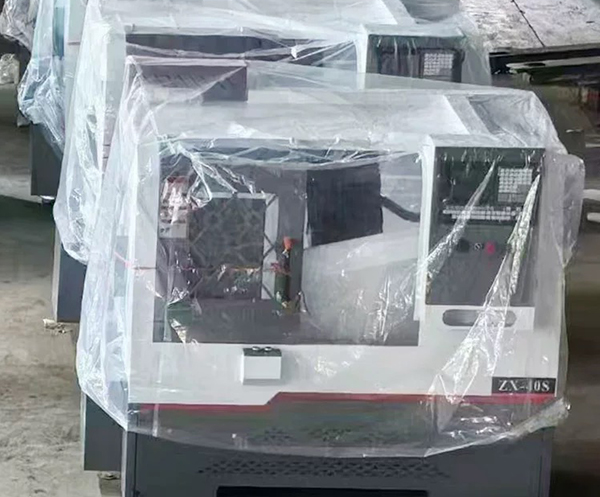
Maritime PE rust-proof bags are not only suitable for hardware, machinery, and electronic parts, but also for industrial accessories, medical devices, and other products requiring rust and moisture protection. They can be used as container liners or for packaging loose parts, adapting to various scenarios such as long-distance sea freight, cross-border transportation, and warehousing management, fully meeting the packaging needs of modern industry and export logistics.
VI. Environmental and Economic Value
Modern maritime PE rust-proof bags can be produced using recyclable or biodegradable materials, aligning with green packaging principles. Their lightweight and durable characteristics reduce transportation costs and packaging damage, while minimizing the need for secondary packaging, balancing protective performance and economic benefits, providing companies with a cost-effective end-to-end protection solution.
In summary, PE rust-proof bags for sea transport, with their excellent rust prevention, moisture protection, dust protection, impact resistance, and lightweight properties, have become the core protective packaging for export logistics and the transportation of industrial parts. Their customized design, multi-functional adaptability, and economic and environmental advantages enable companies to improve transportation efficiency and reduce logistics costs while ensuring the integrity and safety of parts, providing an efficient and reliable solution for long-distance sea freight and cross-border transportation.
Sea transport PE rust-proof bags, featuring high-strength material and professional anti-corrosion design, serve as the core protective packaging for metal parts during cross-border shipping. They effectively withstand the complex challenges of marine transport, including high salt spray, high humidity, and mechanical shocks, ensuring the complete integrity of parts throughout the journey. Key protective advantages and features include:
High-strength material provides robust physical protection.
The bag body is made of high-density polyethylene (HDPE) as the base material, with some premium models using a PE/PA composite structure. Standard thickness ranges from 0.08–0.12 mm, while heavy-duty parts are accommodated with reinforced 0.18 mm or thicker bags. These bags offer excellent tear, puncture, and impact resistance, preventing damage from sharp edges or compressive forces during transport. The material is highly flexible and resistant to low-temperature cracking, suitable for diverse marine climates.
Professional rust-proof design for long-term protection.
The bags integrate VCI (Vapor Corrosion Inhibitor) technology, allowing the rust inhibitor to slowly release and form a protective molecular layer on metal surfaces, isolating them from oxygen, moisture, and salt spray. Rust protection can last from several months up to several years. Combined with excellent sealing through heat sealing or adhesive tape, a stable enclosed environment is maintained. Adding desiccants further reduces internal humidity and enhances anti-moisture performance.
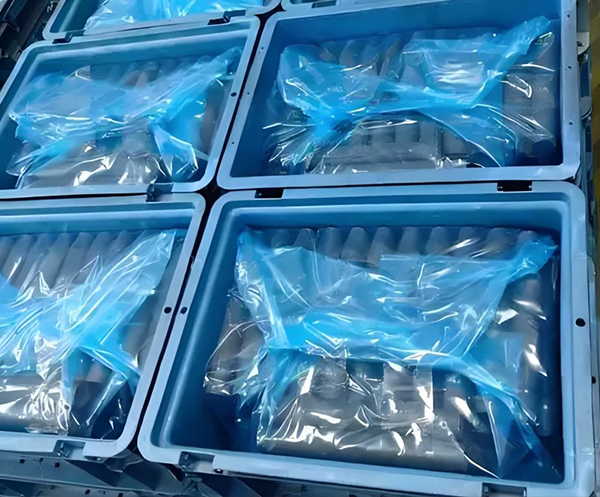
Usage considerations.
Ensure that parts are clean and dry before packaging, as oil residues can affect rust protection. Select bag sizes 10–20% larger than the parts to allow proper sealing space. The lightweight nature of PE rust-proof bags reduces transportation costs while providing dual protection: physical barrier plus rust prevention. These bags are suitable for various mechanical parts and hardware components, delivering reliable protection for parts during sea transport.
Frequently Asked Questions (FAQs):
1. What types of parts or equipment are suitable for sea freight using PE rust-proof bags?
This product is suitable for metal parts, machine parts, hardware tools, precision electronic components, and other goods that are susceptible to moisture or rust. Whether it's small standard parts or large mechanical components, comprehensive protection can be achieved by selecting rust-proof bags of appropriate size and thickness.
2. How do PE rust-proof bags achieve rust and moisture protection?
The bag body is made of high-density polyethylene (HDPE) or PE/PA composite material, which has natural moisture-proof properties. Combined with VCI vapor phase corrosion inhibitor technology, it releases rust-inhibiting molecules to form a protective film covering the metal surface. It can also be used with desiccants to reduce humidity, and heat sealing creates a sealed space, effectively isolating air, moisture, and salt spray.
3. How to choose a rust-proof bag suitable for the size of the parts?
It is recommended to choose a bag size that is 10% to 20% larger than the parts to allow for sealing and protection. For large or irregularly shaped parts, custom-made thickened or spliced structure bags can be used to ensure the stability and protective integrity of the parts during transportation.
4. How durable are PE rust-proof bags during long-distance sea freight?
Rust-proof bags are available in thicknesses from 0.08mm to 0.18mm. The high-strength material provides tear resistance, puncture resistance, and impact resistance, protecting against punctures, compression, and bumps from sharp edges of parts. They are also resistant to cracking at low temperatures. This ensures that parts remain intact and safe during long-distance transportation and cross-border sea freight.
5. What preparations are needed before packaging parts?
Before packaging, ensure the surface of the parts is clean, dry, and free of oil or dust residue. For precision metal parts, dehumidification or rust prevention treatment is recommended. Select PE rust-proof bags of appropriate thickness and size according to transportation requirements, place a desiccant or humidity indicator card inside the bag, and then heat-seal or tape-seal the bag.
This website uses cookies to ensure you get the best experience on our website.
 Español
 Pусский
 Deutsch
 العربية



 WhatsApp
 Phone
Phone