

I. Basic Understanding of PE roll film
(I) Definition and Composition
PE roll film, also known as polyethylene roll film, is a thin film material made primarily of polyethylene (PE), rolled up for storage, transportation, and use. Polyethylene is a thermoplastic resin formed by the polymerization of ethylene monomers under the action of an initiator. Its chemical structure consists of a main chain composed of —CH2—CH2— linkages, with the molecular chains arranged in a planar zigzag pattern and a bond angle of 109.3°. This structure endows polyethylene with many unique properties and profoundly affects the performance of PE roll film.
From a chemical stability perspective, polyethylene molecules contain only carbon and hydrogen elements. Carbon-carbon and carbon-hydrogen bonds are relatively stable, giving PE roll film excellent chemical resistance and enabling it to withstand the erosion of various acids, alkalis, and other chemicals. In industrial production, PE roll film is often used for packaging some chemicals, such as common detergents and cleaning agents. PE roll film effectively prevents the contents from chemically reacting with the external environment, ensuring stable product quality.
From a physical property perspective, polyethylene (PE) molecular chains have good flexibility and low intermolecular forces, giving PE roll film excellent flexibility. It is easy to bend and fold, adapting to the packaging needs of items of various shapes. In daily life, most common plastic bags are made of PE roll film, easily wrapping everything from fruits and vegetables to clothing, making them very convenient. Furthermore, the crystallinity of polyethylene also affects the density, hardness, and transparency of PE roll film; roll films made from polyethylene with different degrees of crystallinity exhibit varying performance in these aspects.
(II) Classification and Characteristics
Based on different manufacturing methods and control measures, PE roll film can be classified into low-density polyethylene (LDPE) roll film, medium-density polyethylene (MDPE) roll film, high-density polyethylene (HDPE) roll film, and cross-linked polyethylene (CLPE) roll film, each with its own characteristics in terms of strength, transparency, and flexibility.
Low-density polyethylene (LDPE) roll film: Its density is approximately 0.92 g/cm³. Its outstanding characteristics are good transparency and heat-sealing properties, and it is waterproof and moisture-proof. This makes it widely used in food packaging. For example, LDPE roll film is mostly used for packaging fresh fruits and vegetables in supermarkets. Consumers can clearly see the color and shape of the fruits and vegetables through the film, judging their freshness. At the same time, its good heat-sealing properties ensure the packaging's airtightness, extending the shelf life of the fruits and vegetables. However, LDPE roll film has low tensile strength, high elongation at break, and is prone to wrinkling, especially films thinner than 0.03mm. Tensile control during production is crucial, and it is more easily deformed by heat. This limits its application in areas requiring high flatness and dimensional stability.
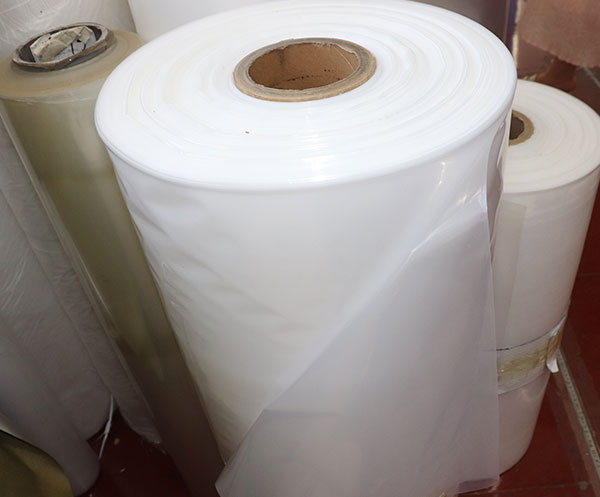
Medium-density polyethylene (MDPE) roll film: With a density of approximately 0.93-0.94 g/cm³, its performance falls between high-density and low-density polyethylene, combining some of the advantages of both. It possesses both flexibility and relatively good strength, making it suitable for applications where performance requirements are not particularly extreme, such as packaging ordinary daily necessities. MDPE roll film can meet the needs of packaging products that require a certain degree of toughness to protect them without excessively high strength.
High-density polyethylene (HDPE) roll film: With a density of 0.94-0.965 g/cm³, it offers better heat resistance and mechanical strength than low-density polyethylene (LDPE) film, but has lower tensile elongation. Its film thickness is generally above 0.03 mm, and it is commonly used for packaging requiring high strength and durability, such as vest bags, garbage bags, and inner lining bags for some products. In logistics and transportation, large packaging bags made from HDPE roll film can withstand heavy goods without easily breaking, effectively protecting the safety of goods during transportation. However, HDPE roll film has poor transparency, making it less suitable for packaging scenarios where product display is crucial.
Cross-linked polyethylene (CLPE) roll film: Compared to other polyethylene products, it has higher heat resistance, tensile strength, heat shrinkage rate, and barrier properties. These characteristics have led to its expanding applications, with most uses being as heat-shrink packaging film. After product packaging, through heat treatment, the CLPE roll film shrinks and tightly wraps the product, not only providing good fixation and protection but also making the packaging more compact and aesthetically pleasing. For example, the heat-shrink properties of CLPE roll film are often used in the packaging of electronic products and handicrafts to achieve a refined packaging effect.
II. Production Process of PE Roll Film
(I) Raw Material Selection and Pretreatment
The selection of polyethylene raw materials is crucial in the production of PE roll film. The appropriate type of polyethylene resin must be selected based on the intended use and performance requirements of the roll film. For example, PE roll film used for food packaging should use polyethylene raw materials that meet food hygiene and safety standards, such as non-toxic, odorless, and pollution-free low-density polyethylene (LDPE) or linear low-density polyethylene (LLDPE), to ensure food safety. For industrial packaging roll film with higher strength requirements, high-density polyethylene (HDPE) can be considered.
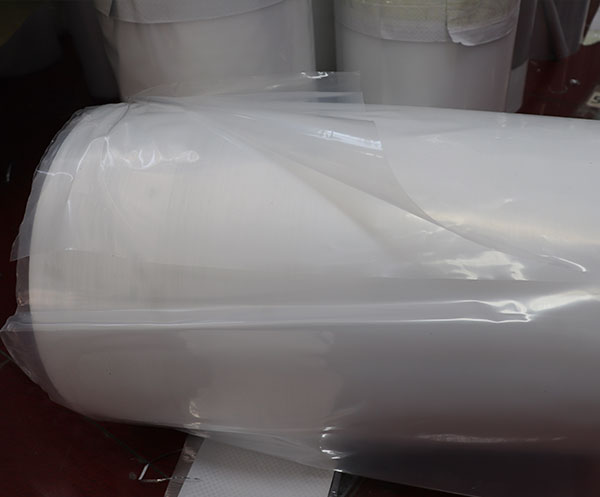
When selecting raw materials, melt index (MI) is a key indicator, reflecting the fluidity of polyethylene resin under certain temperature and pressure conditions. Generally, polyethylene with a lower MI value has a longer molecular chain, resulting in a stronger roll film, but it is relatively more difficult to process; while polyethylene with a higher MI value has better fluidity and is easier to process and mold, but the strength of the roll film may be slightly lower. Taking the blow molding process for producing PE roll film as an example, polyethylene raw materials with a melt flow index (MFI) of 2-6 g/10 min are typically selected. This ensures smooth processing while meeting the basic performance requirements of the roll film.
The pretreatment of raw materials is also crucial, as it directly affects product quality. First, the polyethylene raw materials must be screened to remove any impurities, such as metal particles and stones. If these impurities are not removed, they may damage equipment during processing or cause defects such as holes and cracks in the roll film. Next, drying is necessary because polyethylene raw materials may absorb moisture during storage and transportation. Excessive moisture content can cause problems such as bubbles and silver streaks during molding, affecting the appearance and performance of the roll film. Hot air drying is typically used, drying the raw materials at 80-100℃ for 2-3 hours to control the moisture content below 0.05%. In some production scenarios with extremely high moisture content requirements, even more stringent drying methods such as vacuum drying are employed.
Adjustable Size PE roll film, Suitable for Various Packaging Scenarios
Adjustable size PE roll film is made from high-quality polyethylene (PE) and utilizes flexible manufacturing processes to precisely adjust width, length, and roll diameter. It features excellent flexibility, moisture resistance, puncture resistance, and non-toxic safety. Its main advantage lies in overcoming the limitations of standard PE Films by offering full-dimension customization, precisely matching the packaging needs of different industries and product categories. This makes it a versatile packaging solution for food, electronics, industrial, and logistics applications, effectively improving packaging adaptability and operational efficiency.
The size adjustment range fully covers diverse packaging scenarios. Width can be flexibly customized from 0.05 m (5 cm) up to 3 m, with specifications divided in 5 mm increments. It is suitable for small individual food packages such as candies or nuts, as well as large-scale industrial components and containerized cargo for full wrapping. Length can also be customized from 100 m for small trial production rolls to several thousand meters for large-scale manufacturing. Roll cores of 2-inch, 3-inch, or other diameters can be tailored to perfectly fit all types of automated packaging equipment, avoiding adaptation issues.
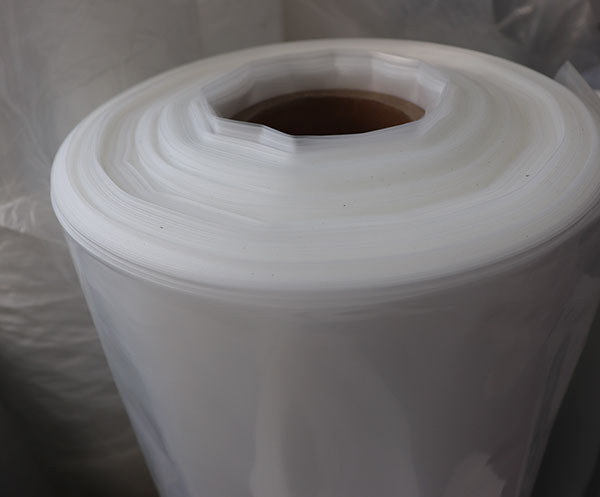
In practical applications, adjustable size PE roll film demonstrates strong versatility. In the food industry, narrow thin rolls can be used for snacks or fresh products in vacuum packaging, ensuring freshness and safety. In electronics, specific-width anti-static PE rolls provide dual protection against moisture and static for sensitive components. In industrial settings, thick and wide rolls can package chemical materials and machinery parts, protecting against compression and corrosion during transportation. In logistics, rolls can be tailored to pallet dimensions, improving load stability and reducing transit losses.
Moreover, the adjustable size feature reduces packaging material waste and lowers corporate packaging costs. Combined with composite, printing, or coating processes, it further enhances protective performance and brand presentation. This fully customized approach meets diverse packaging requirements and supports the development of precise, Efficient packaging solutions across industries.
Frequently Asked Questions (FAQs):
1. What specifications of PE roll film are available?
We offer a variety of PE roll films in different sizes and thicknesses, and can customize to meet your needs. Whether it's small-batch or large-scale production, we can meet your specific requirements.
2. What industries are your PE roll films suitable for?
Our PE roll films are widely used in food packaging, Electronic product packaging, industrial equipment packaging, and many other industries, providing efficient protection and moisture protection.
3. Are your PE roll films environmentally friendly?
Yes, our PE roll films are made from environmentally friendly materials, meet international environmental standards, and can be recycled and reused after use, reducing the environmental burden.
4. Do you offer customization services?
We offer comprehensive customization services, including adjusting the film size, thickness, and packaging design according to customer requirements. We are committed to providing tailored packaging solutions for our customers.
5. What are the requirements for the transportation and storage of PE roll films?
Our PE roll films should be stored in a dry, cool place, avoiding direct sunlight and high temperatures. During transportation, it is recommended to avoid contact with sharp objects to ensure the film remains intact.
This website uses cookies to ensure you get the best experience on our website.
 Español
 Pусский
 Deutsch
 العربية



 WhatsApp
 Phone
Phone