


Aluminum foil is a hot stamping material made by directly rolling metallic aluminum into thin sheets. Due to aluminum's softness, good ductility, and silvery-white luster, the rolled sheets can be laminated onto offset paper with substances like sodium silicate to create aluminum foil sheets, which can then be printed on. However, aluminum foil itself is prone to oxidation and darkening, and rubbing or touching will cause discoloration, making it unsuitable for hot stamping on book covers and other long-term preservation applications.
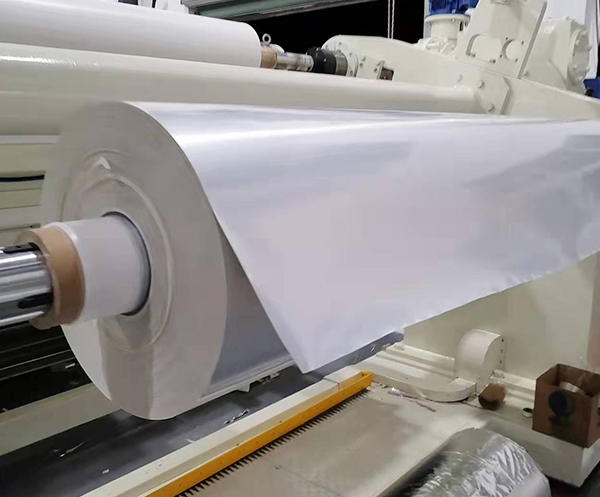
Due to its excellent properties, aluminum foil is widely used in food, beverages, cigarettes, pharmaceuticals, photographic negatives, and household goods, typically as packaging material; it is also used as a material for electrolytic capacitors; as insulation material in buildings, vehicles, ships, and houses; and as decorative gold and silver threads, wallpaper, and decorative labels for various stationery and light industrial products. Among these applications, packaging material is where aluminum foil's performance characteristics are most effectively utilized. Aluminum foil is a flexible metal film that not only possesses advantages such as moisture resistance, airtightness, light blocking, abrasion resistance, aroma retention, and non-toxicity and odorlessness, but also enjoys greater popularity due to its elegant silvery-white luster and ease of processing into various beautiful patterns and designs. In particular, when aluminum foil is laminated with plastic and paper, the shielding properties of aluminum foil are combined with the strength of paper and the heat-sealing properties of plastic, further enhancing its essential shielding performance against moisture, air, ultraviolet rays, and bacteria, significantly expanding its application market. Because the packaged items are completely isolated from external light, moisture, and air, the packaging is perfectly protected. Especially for packaging steamed or boiled foods, using this composite aluminum foil material can guarantee that the food will not spoil for at least a year. Furthermore, it is convenient to heat and open, making it very popular with consumers.
Advantages of Moisture-Proof and Corrosion-Resistant Aluminum-plastic composite film in Heavy Material Packaging
Moisture-proof and Corrosion-resistant aluminum-plastic composite film features a core structure of “high-strength woven fabric + aluminum foil barrier layer + corrosion-resistant plastic layer”. Through multilayer composite processes, it combines the advantages of each material to precisely meet the strict protection requirements of heavy materials—such as steel, chemical raw materials, and large mechanical components—during storage and transport. Its key strengths lie in protection, durability, and adaptability.
Extreme moisture and corrosion resistance are its core advantages. The central aluminum foil layer provides outstanding barrier performance, effectively isolating moisture, oxygen, salt spray, and corrosive gases such as acids and alkalis. Its water vapor transmission rate is far lower than that of ordinary packaging materials, preventing rust on heavy metals and moisture-related degradation of chemical materials. In long-distance sea transport or high-humidity coastal environments, it creates a sealed protective barrier, resisting salt spray corrosion and condensation caused by temperature fluctuations, thereby minimizing material loss at the source.
Excellent durability makes it suitable for heavy-duty packaging. The outer woven fabric layer has high tensile strength and puncture resistance, able to withstand compression, friction, and mechanical impacts during handling and transport, preventing packaging damage or leakage. The composite structure further enhances weather resistance, performing reliably in extreme temperatures ranging from -40°C to 80°C. Even during long-term outdoor storage, aging is delayed. Meanwhile, its lightweight design maintains protection levels without significantly increasing transportation weight, improving logistics efficiency.
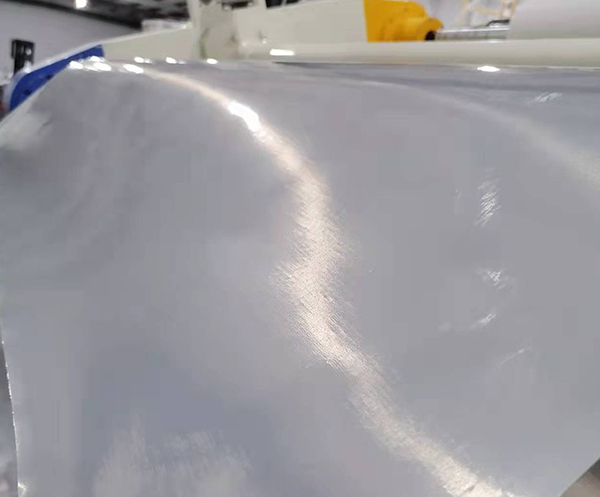
Flexible adaptability enhances packaging practicality. The film can be customized in width and thickness according to the size and weight of heavy materials, suitable for full wrapping, pallet strapping, and other packaging forms. Excellent heat-sealing and airtight performance allow fast closure, and with reinforcing accessories, a stable packaging structure can be formed. Some products also feature anti-static properties, ideal for chemical and electronic heavy material packaging, combining safety, protection, and convenient handling
Frequently Asked Questions (FAQs):
1. How heavy of a material can this aluminum-plastic composite membrane withstand?
Our composite membrane uses high-strength woven fabric as the base material, boasting high tensile strength and excellent puncture resistance. It can safely support heavy materials such as steel, chemical raw materials, and large mechanical parts. By customizing thickness and width, we can meet the packaging needs of materials of different weights and sizes, ensuring safe transportation and storage.
2. Can the aluminum-plastic composite membrane resist corrosion in high humidity or coastal environments?
Yes. The aluminum foil layer in the middle of the composite membrane has excellent barrier properties, effectively isolating water vapor, oxygen, and corrosive media such as salt spray, acids, and alkalis. It is especially suitable for long-distance sea transport, high humidity coastal environments, or industrial environments, preventing metal corrosion and chemical raw materials from becoming damp and deteriorating, thus reducing material loss.
3. How durable is the composite membrane? Can it withstand low or high temperature environments?
The composite film uses a multi-layered composite structure. The outer woven fabric layer is wear-resistant and pressure-resistant, while the inner aluminum foil and plastic layers enhance weather resistance, allowing it to withstand environments from -40℃ to 80℃. It maintains packaging integrity and delays aging even during long-term outdoor storage or long-distance transportation.
4. Can the size and function of the composite film be customized according to material specifications?
Yes. We can customize the width, thickness, and length of the film based on the size, weight, and transportation method of heavy materials. We also offer customized functions such as heat sealing, antistatic properties, corrosion resistance, and moisture protection to meet the packaging requirements of different industries, logistics, and special materials.
5. Can the composite film improve efficiency and reduce costs in logistics transportation?
The lightweight design of the composite film does not significantly increase the transport weight while maintaining the protection level. At the same time, its excellent sealing and tear resistance reduce handling losses, simplify the packaging process, and support pallet wrapping or overall wrapping, improving loading and unloading efficiency and reducing logistics costs.
This website uses cookies to ensure you get the best experience on our website.
 Español
 Pусский
 Deutsch
 العربية



 WhatsApp
 Phone
Phone