

Aluminum foil is a hot stamping material made by directly rolling metallic aluminum into thin sheets. Due to aluminum's softness, good ductility, and silvery-white luster, the rolled sheets can be laminated onto offset paper with substances like sodium silicate to create aluminum foil sheets, which can then be printed on. However, aluminum foil itself is prone to oxidation and darkening, and rubbing or touching will cause discoloration, making it unsuitable for hot stamping on book covers and other long-term preservation applications.
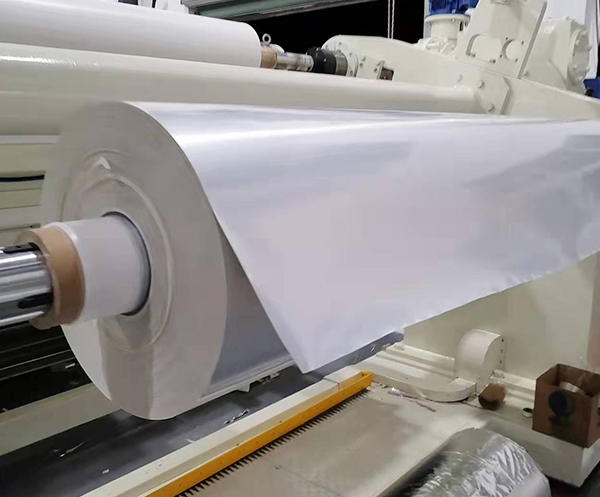
Due to its excellent properties, aluminum foil is widely used in food, beverages, cigarettes, pharmaceuticals, photographic negatives, and household goods, typically as packaging material; it is also used as a material for electrolytic capacitors; as insulation material in buildings, vehicles, ships, and houses; and as decorative gold and silver threads, wallpaper, and decorative labels for various stationery and light industrial products. Among these applications, packaging material is where aluminum foil's performance characteristics are most effectively utilized. Aluminum foil is a flexible metal film that not only possesses advantages such as moisture resistance, airtightness, light blocking, abrasion resistance, aroma retention, and non-toxicity and odorlessness, but also enjoys greater popularity due to its elegant silvery-white luster and ease of processing into various beautiful patterns and designs. In particular, when aluminum foil is laminated with plastic and paper, the shielding properties of aluminum foil are combined with the strength of paper and the heat-sealing properties of plastic, further enhancing its essential shielding performance against moisture, air, ultraviolet rays, and bacteria, significantly expanding its application market. Because the packaged items are completely isolated from external light, moisture, and air, the packaging is perfectly protected. Especially for packaging steamed or boiled foods, using this composite aluminum foil material can guarantee that the food will not spoil for at least a year. Furthermore, it is convenient to heat and open, making it very popular with consumers.
Analysis of Aluminum-plastic composite film: A Durable and Efficient Packaging Solution
Aluminum-plastic composite film is a high-performance packaging material manufactured through multilayer composite processes. Its core structure consists of a “woven fabric substrate + plastic layer + aluminum foil layer.” The woven fabric is typically made of polypropylene (PP) or polyethylene (PE), the plastic layer is mainly PE Film, and the aluminum foil layer uses high-purity aluminum. Through high-temperature lamination and calendering, the layers are firmly bonded, combining the advantages of each material to deliver a packaging solution that balances durability and efficient protection.
Durability is a key strength of this material. The PP/PE woven fabric substrate provides excellent tensile and tear resistance, capable of withstanding compression, puncture, and abrasion during transportation and storage, meeting heavy-load packaging requirements. The laminated aluminum and plastic layers further enhance weather resistance, block ultraviolet light, slow material aging, and improve resistance to acids, bases, and temperature extremes. The film can maintain packaging integrity in environments ranging from -40°C to 80°C, even for long-term outdoor storage or long-distance international transport.
High-efficiency protection and adaptability underline its value. The aluminum layer provides superior barrier performance, effectively isolating oxygen, moisture, corrosive gases, and odors. Low oxygen and water vapor transmission rates prevent contents from dampness, oxidation, or spoilage, making it suitable for grains, chemical raw materials, precision components, and pharmaceutical products. Additionally, its lightweight design reduces logistics weight costs. Customizable thickness, dimensions, and roll widths, as well as compatibility with printing and sealing processes, allow the film to balance protection, storage and transport efficiency, and brand presentation. As a result, aluminum-plastic composite film is widely used across industrial, logistics, food, and pharmaceutical sectors.
Frequently Asked Questions (FAQs):
1. What are the core structure and material advantages of Aluminum-plastic composite film?
Aluminum-plastic composite film consists of a woven fabric substrate + a plastic layer + an aluminum foil layer. The woven fabric is made of PP or PE material, providing high tensile strength and tear resistance; the plastic layer increases flexibility and sealing performance; the aluminum foil layer has excellent barrier properties, blocking moisture, oxygen, and corrosive gases, achieving durability and high-efficiency protection.
2. How does aluminum-plastic composite film ensure packaging durability?
The high-strength woven fabric substrate can withstand compression, punctures, and abrasion during transportation and storage; the aluminum foil and plastic composite layer improve weather resistance, acid and alkali resistance, and high and low temperature resistance, adapting to environments from -40℃ to 80℃. Even during long-distance international transportation or long-term outdoor storage, the packaging integrity can be maintained.
3. Which industries or packaging scenarios is this film suitable for?
Aluminum-plastic composite film is widely used in the industrial, logistics, food, pharmaceutical, chemical, and electronics industries. It can be used in various scenarios such as heavy object protection, transportation of precision components, storage of chemical raw materials, and packaging of grains and pharmaceuticals, meeting high protection requirements and safety needs in long-term storage and transportation environments.
4. What specifications or functions can the film be customized for?
We can customize film thickness, width, composite layer type, and functional additives (such as UV resistance, moisture resistance, corrosion resistance, and antistatic properties) according to customer needs. We also support printing, sealing, and special processing techniques to meet the comprehensive needs of protection, storage and transportation efficiency, and brand display.
5. What are the advantages of aluminum-plastic composite film in logistics and transportation?
Its lightweight design reduces transportation costs; its high barrier properties prevent the intrusion of moisture, oxygen, and odors, protecting the integrity of goods; its high tensile strength and self-adhesiveness can secure palletized goods, reducing damage from shaking or collisions during transportation, improving packaging efficiency, and adapting to the diverse transportation needs of the global supply chain.
This website uses cookies to ensure you get the best experience on our website.
 Español
 Pусский
 Deutsch
 العربية



 WhatsApp
 Phone
Phone