


I. Material Structure and Characteristics of Aluminum foil vacuum packaging Bags for Equipment
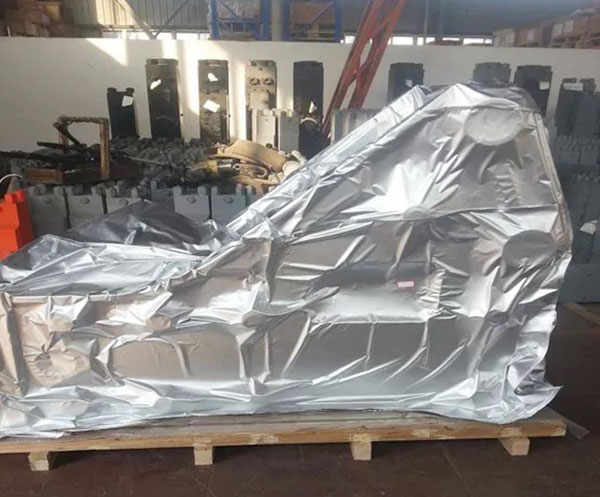
Aluminum foil vacuum packaging bags for equipment are typically made of multi-layer composite materials, including an aluminum foil layer (AL), a polyester layer (PET), a nylon layer (NY), and a polyethylene layer (PE). Each layer of material performs a specific function in the bag, providing multiple layers of protection.
Outer Layer (PET or Nylon)
Mainly used for printing and enhancing mechanical strength, ensuring the bag's resistance to friction and compression. The PET layer allows for high-definition printing of company logos, model numbers, and precautions, while the nylon layer improves the bag's puncture resistance.
Middle Layer (Aluminum Foil Layer)
The aluminum foil is the core functional layer of the bag, effectively blocking air, water vapor, light, and odors, ensuring that the equipment is not affected by oxidation or moisture during transportation and storage.
Inner Layer (PE or CPP)
As the heat-sealing layer, it ensures a tight seal at the bag opening and provides good flexibility and heat-sealing performance, suitable for vacuum evacuation and high-temperature sealing operations.
Functional Composite Layer (Optional)
For special industrial equipment, anti-static, UV-resistant, or high/low-temperature resistant film layers can be added to meet the packaging needs of different equipment in complex environments.
This multi-layer composite structure gives aluminum foil vacuum packaging bags for equipment excellent performance in terms of protection, sealing, and aesthetics.
II. Performance Advantages of Aluminum Foil Vacuum Packaging Bags for Equipment
Aluminum foil vacuum packaging bags for equipment are widely used in industrial equipment packaging, mainly due to their comprehensive performance advantages:
Excellent Barrier Properties
The aluminum foil layer almost completely blocks air and moisture, preventing metal parts from rusting, electronic components from getting damp, and precision instruments from oxidizing, thus improving the safety of equipment storage and transportation.
Strong Vacuum Sealing Capability
The inner heat-sealing film ensures that the bag opening is completely sealed. Vacuum evacuation removes air from the bag, further reducing the risk of oxidation and moisture, and minimizing shaking and collision of the equipment during transportation.
Anti-static and Anti-pollution
Anti-static films or coatings can be added to effectively protect electronic equipment and precision instruments, preventing electrostatic damage or dust contamination. High Mechanical Strength and Puncture Resistance
The multi-layer composite structure enhances the bag's tear and puncture resistance, maintaining its integrity even when loading sharp or heavy equipment.
High and Low Temperature Resistance and Chemical Corrosion Resistance
The aluminum foil composite film remains stable in environments ranging from -40℃ to +120℃, suitable for sea transport, cold chain logistics, and high-temperature processing conditions, while also preventing chemical corrosion damage to equipment.
Environmentally Friendly and Recyclable
Modern aluminum foil vacuum packaging bags for equipment prioritize environmental protection in material selection, using separable composite layers or biodegradable materials to achieve green packaging.
III. Production Process of Aluminum Foil Vacuum Packaging Bags for Equipment
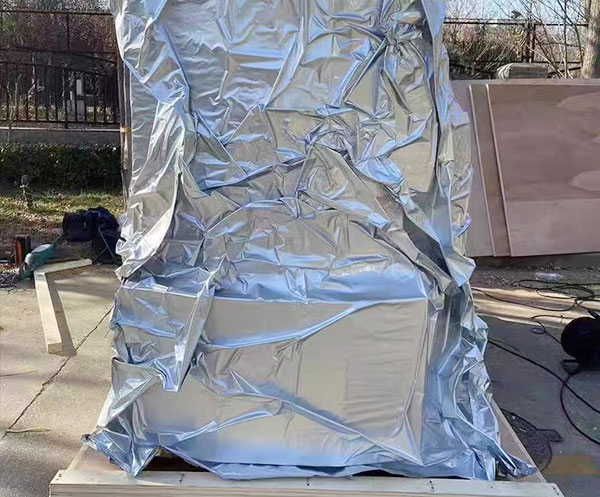
High-quality aluminum foil vacuum packaging bags for equipment require a precise production process, including material lamination, bag making, and quality inspection:
Material Lamination
Through dry lamination or extrusion lamination processes, materials such as PET, aluminum foil, and PE are laminated into a multi-layer composite film. The amount of adhesive, temperature, and tension must be controlled during the lamination process to ensure uniform bonding of each layer.
Curing Treatment
The composite film is left to stand under constant temperature conditions to ensure complete curing of the adhesive, improving the adhesion and mechanical strength of the composite layers.
Printing and Slitting
The outer PET film can be color printed to display company logos, product models, and precautions; then it is slit according to size requirements to prepare rolls or semi-finished products.
Bag Making Process
Automatic bag making machines are used for three-side sealing, four-side sealing, or gusseted bottom sealing to form self-standing structures or ordinary flat bottom bags.
Quality Inspection
Strict testing is conducted on sealing performance, tensile strength, puncture resistance, and heat seal strength to ensure stable performance of each batch of products.
IV. Application Scope of Aluminum Foil Vacuum Packaging Bags for Equipment
Aluminum foil vacuum packaging bags for equipment can be used for packaging various industrial equipment and accessories. Main application areas include:
Mechanical Equipment Parts
Bearings, gears, hydraulic components, metal screws, etc., are prone to moisture or oxidation during transportation. Vacuum Aluminum Foil Bags can prevent rust and deterioration.
Electronic Components and Precision Instruments
Chips, circuit boards, sensors, etc., are susceptible to moisture, static electricity, or dust contamination. Anti-static aluminum foil vacuum bags provide complete protection. Metal Materials and Powders
Including alloy powders, powder metallurgy materials, and precision castings, vacuum packaging can extend the storage life of materials and maintain stable performance.
Export Equipment Packaging
Sea or long-distance transportation requires high standards for packaging in terms of moisture resistance, salt spray resistance, and protection against mechanical shock. Aluminum foil vacuum bags can ensure that the equipment arrives safely at its destination.
Aluminum foil vacuum packaging Bags for Industrial Equipment: Reliable Transportation Protection Solution
Aluminum foil vacuum packaging bags specifically designed for industrial equipment provide a reliable solution for transportation protection. With comprehensive protective performance and strong adaptability, these bags are widely used for transporting small- and medium-sized machinery, precision components, electromechanical parts, and other industrial products. They effectively shield equipment from the complex conditions encountered during transit, ensuring safe handling throughout the transportation process.
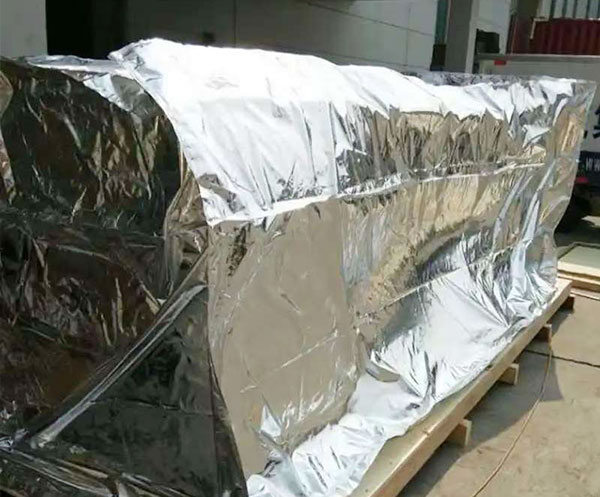
The core advantage of this solution lies in its scientifically engineered material structure and vacuum sealing process. The bags are made from aluminum foil laminated with multiple layers of high-strength plastic film. The reinforced outer layer offers excellent tensile strength, puncture resistance, and tear resistance, easily withstanding compression, stacking pressure, and impact during loading and unloading, preventing packaging failure that could damage the equipment. The aluminum foil layer forms a dense barrier that efficiently blocks moisture, oxygen, and ultraviolet rays. Combined with vacuum sealing, it creates a dry, oxygen-free environment that prevents equipment from rusting, oxidizing, or deteriorating due to moisture. Additionally, the bags feature anti-static properties to protect sensitive components from static damage.
These packaging bags can be flexibly customized to match the size and shape of industrial equipment. They provide a snug fit, secure sealing, and comply with standard industrial transportation packaging regulations. Lightweight yet durable, they help reduce additional shipping costs and are suitable for road, rail, and short-distance transit scenarios. Overall, these aluminum foil vacuum packaging bags offer an optimal balance of reliable protection, flexible adaptability, and cost-efficiency for industrial equipment transportation.
Frequently Asked Questions (FAQs)
1. What types of industrial equipment are these Aluminum foil vacuum packaging bags suitable for?
Our packaging bags are designed for small and medium-sized machinery, precision components, electromechanical parts, and industrial equipment susceptible to moisture and oxidation. They effectively prevent moisture, oxidation, and compression damage during transportation and are suitable for various scenarios including international sea, road, and rail transport.
2. What are the specific protective features of the packaging bags?
The packaging bags utilize a composite structure of aluminum foil and multiple layers of high-toughness plastic film. The outer layer is reinforced to provide tensile strength, puncture resistance, and tear resistance. The aluminum foil layer blocks moisture, oxygen, and ultraviolet rays, and combined with vacuum sealing technology, creates a dry, oxygen-free environment, effectively preventing equipment from being damaged by moisture, oxidation, or performance degradation.
3. Can the packaging bags be customized according to equipment size?
Yes. We offer customization services. We can flexibly adjust the specifications, thickness, and sealing method of the packaging bags according to the size, shape, and protection requirements of the equipment, ensuring a tight fit, enhancing transportation safety, and optimizing transportation costs.
4. How much pressure or impact can these packaging bags withstand during transportation?
The outer composite material is reinforced and has good compression and impact resistance, capable of withstanding stacking pressure and collisions during handling. The internal vacuum layer provides stable support for the equipment, significantly reducing the risk of transportation damage.
5. Do the packaging bags comply with international transportation standards and environmental requirements?
Our Aluminum foil vacuum packaging bags comply with general specifications for industrial transportation packaging. The materials also meet international environmental regulations such as RoHS and REACH, making them suitable for export and cross-border transportation, ensuring compliance and avoiding transportation and customs clearance risks.
This website uses cookies to ensure you get the best experience on our website.
 Español
 Pусский
 Deutsch
 العربية



 WhatsApp
 Phone
Phone