


I. Core Characteristics of Aluminum-plastic composite packaging bags
(I) Excellent Barrier Performance
The significant advantage of aluminum-plastic composite packaging bags lies in their barrier performance, primarily achieved through the combined action of the aluminum foil layer and the plastic layer in their structure. The aluminum foil layer possesses extremely high barrier properties, effectively blocking the influence of external factors such as oxygen, water vapor, ultraviolet radiation, and odors on the product inside the bag. Oxygen is a major factor leading to food oxidation and spoilage, and to reduced efficacy of pharmaceutical products. The aluminum foil layer can control oxygen permeability to an extremely low level, typically below 0.1 cc/(m²・24h・atm), ensuring the product inside the bag remains in a low-oxygen environment for an extended period, significantly extending its shelf life.
Water vapor intrusion can cause the product to become damp, affecting its quality and stability. For example, damp electronic components may experience short circuits and performance degradation; damp food is prone to mold and clumping. The aluminum foil layer in aluminum-plastic composite packaging bags effectively blocks water vapor penetration, with a water vapor transmission rate typically less than 1 g/(m²・24h), ensuring a dry environment inside the bag and protecting the product's condition during storage and transportation. Furthermore, ultraviolet radiation can damage some of the product's active ingredients, such as vitamins in food and active ingredients in pharmaceuticals; the aluminum foil layer completely blocks UV penetration, preventing damage. Simultaneously, the aluminum foil layer also prevents external odors from entering the bag and prevents the spread of odors from the product inside, maintaining the product's original flavor and quality.
The addition of a plastic layer further optimizes the barrier system. The outer plastic layer (such as PET or PA) has good puncture resistance and dimensional stability, protecting the aluminum foil layer from damage during transportation and handling, preventing a decrease in barrier performance due to foil breakage. The inner plastic layer (such as PE) has excellent heat-sealing properties, ensuring a tight seal, reducing air residue, and further enhancing the barrier effect. This aluminum-plastic combined structure allows aluminum-plastic composite packaging bags to provide comprehensive barrier protection for various types of products.
(II) Excellent Physical and Mechanical Properties
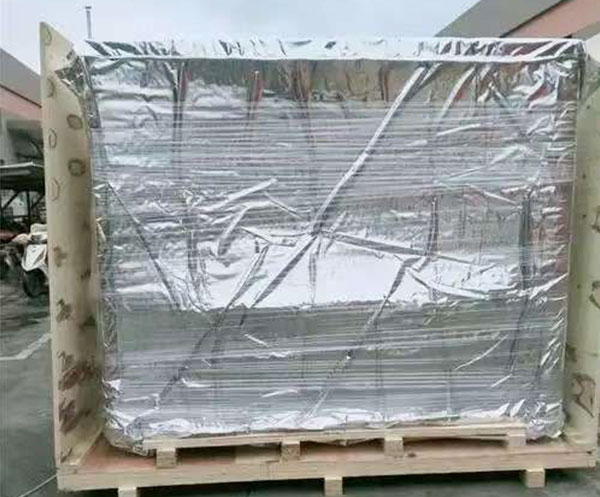
Aluminum-plastic composite packaging bags exhibit excellent physical and mechanical properties, combining flexibility with a certain level of strength to adapt to various complex usage scenarios. The plastic layer provides the packaging bag with good flexibility and extensibility, allowing it to be fitted to the shape of the product. Whether it's irregularly shaped meat, nuts, or liquids and powders, it can tightly wrap them, reducing packaging space waste and facilitating product storage and transportation.
In terms of strength, aluminum-plastic composite packaging bags, through the synergistic effect of their multi-layered structure, possess high tensile strength and impact resistance. Longitudinal tensile strength is typically ≥180MPa, and transverse tensile strength is ≥150MPa, capable of withstanding certain tensile and compressive forces, and is less prone to tearing or damage during loading, unloading, and handling. Experimental data shows that when dropped from a height of 1.2 meters, the integrity rate of aluminum-plastic composite packaging bags can reach over 90%, far exceeding that of some single-layer plastic packaging bags.
Furthermore, aluminum-plastic composite packaging bags also have good temperature resistance, adapting to a temperature range of -40℃ to 121℃. In low-temperature environments, the bags are less prone to cracking, making them suitable for long-term storage of frozen foods (such as frozen dumplings and seafood). In medium- and high-temperature environments, some high-temperature resistant aluminum-plastic composite packaging bags (such as PET/AL/PE structures) can withstand sterilization treatment at 121℃, meeting the packaging needs of canned goods, cooked foods, and other products requiring heat sterilization. Simultaneously, their puncture resistance is also outstanding; the inner PE or PA layer effectively resists punctures from sharp objects, preventing leakage of contents or intrusion of external contaminants, making them suitable for packaging products with sharp edges, such as nuts with shells and metal parts.
(III) Excellent Printing and Appearance Performance
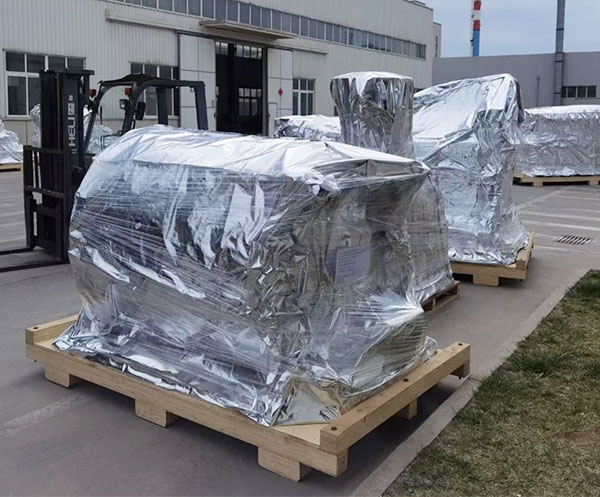
Aluminum-plastic composite packaging bags have significant advantages in appearance and printability, enhancing brand image and market competitiveness. The aluminum foil layer itself has a unique metallic luster, presenting a silver-white or specially treated multi-colored effect. Combined with transparent or semi-transparent plastic layers, it can create diverse visual styles. For example, transparent PET/AL/PE structure packaging bags achieve a "partially transparent display + partially metallic texture" effect. Consumers can clearly see the shape of the food inside, while the metallic sheen enhances the product's premium feel. Opaque AL/PE structures are suitable for products requiring light protection, such as vitamin tablets and photosensitive cosmetics, and their surface allows for exquisite printing.
In terms of printing performance, the surface of aluminum-plastic composite packaging bags undergoes special treatment, ensuring sufficient surface tension to support various inks. Printed patterns exhibit strong adhesion and are less prone to fading or scratching. Gravure printing technology enables high-definition, multi-color printing, clearly displaying complex product designs, brand logos, and detailed product descriptions and ingredient lists. The vibrant colors and rich detail of the printed patterns effectively attract consumer attention, helping businesses better showcase their brand image and product features. Furthermore, the high flatness of aluminum-plastic composite packaging bags reduces the likelihood of wrinkles or misalignment during printing, further ensuring the product's aesthetic appeal.
Aluminum-plastic composite packaging bags: the preferred choice for export and long-distance transportation protection
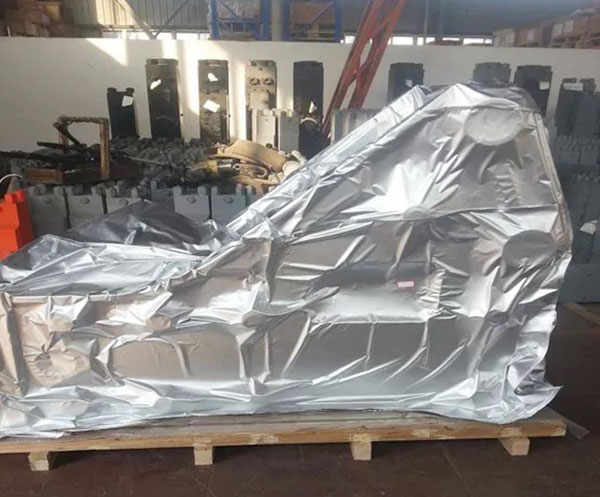
Aluminum-plastic composite packaging bags offer outstanding overall protection, making them an ideal choice for export goods and long-distance transportation. They are widely suitable for precision electronic components, metal parts, chemical raw materials, dried food, and other cargo, providing full protection against complex environmental challenges during long-haul and cross-border transit, ensuring stable product quality and safe delivery.
Their core protective advantage comes from a scientifically designed composite structure, combining aluminum foil with multiple layers of plastic films such as PE and PP. The aluminum foil layer forms a dense barrier that effectively blocks moisture, oxygen, UV light, and odors. With low water vapor transmission and strong oxygen barrier properties, it prevents cargo from dampness, oxidation, rust, or mold degradation. Meanwhile, the composite material gives the bag excellent tensile, puncture, and tear resistance, easily withstanding pressure, collisions, and scratches during transportation, reducing the risk of packaging failure and protecting the cargo from damage.
These packaging bags are highly suitable for export and long-distance transportation requirements and comply with international regulations such as EU REACH and US FDA, helping avoid non-compliance returns. They feature strong heat-sealing capability, which can be combined with vacuum or inflation packaging processes for enhanced protection. Additionally, they can be customized to fit different cargo sizes and shapes, are lightweight to reduce shipping costs, and offer a neat appearance for easy labeling, warehouse handling, and customs inspection. They represent an optimal solution balancing professional protection, compliance, and cost-efficiency for export and long-distance shipping.
Frequently Asked Questions (FAQs)
1. What types of goods are suitable for this aluminum-plastic composite packaging bag?
Aluminum-plastic composite packaging bags are suitable for various types of goods that are environmentally sensitive, susceptible to moisture, or prone to oxidation, including precision electronic components, metal parts, chemical raw materials, and dry food products. Its multi-layered composite structure effectively isolates moisture, oxygen, ultraviolet rays, and odors, providing comprehensive protection for the goods and ensuring stable quality during long-distance transportation and export.
2. How effective is this packaging bag at preventing moisture and oxidation?
The packaging bag uses a composite structure of aluminum foil and multi-layered plastic film. The aluminum foil layers form a dense barrier that effectively blocks moisture and oxygen and protects against ultraviolet radiation. Combined with vacuum or heat-sealing processes, a dry, airtight environment is created inside the bag, preventing oxidation of metal parts, performance degradation of electronic components, or deterioration of materials due to moisture.
3. Can it be customized according to the size of the goods and special requirements?
Yes. We offer highly flexible customization services, tailoring packaging bag specifications, thickness, and sealing methods to the size, weight, shape, and protection requirements of the goods. We can even add anti-static and high-temperature resistant features to ensure a tight fit between the packaging and the goods, achieving optimal transport protection.
4. Are the packaging bags resistant to compression and impact during transportation?
Our packaging bags are made of high-strength composite materials, possessing excellent tensile, puncture, and tear resistance, capable of withstanding compression, impact, and scratches during long-distance transport. Even with multi-layer stacking or cross-border logistics, the packaging remains intact, reducing the risk of cargo damage.
5. Do the products meet international export and safety standards?
Yes. Our aluminum-plastic composite packaging bags comply with international export packaging regulations and environmental standards, such as EU REACH and US FDA. The packaging reduces the risk of returns or customs rejection, while being lightweight and easy to handle, helping customers reduce logistics costs and ensuring the safe and smooth arrival of goods at their destination.
This website uses cookies to ensure you get the best experience on our website.
 Español
 Pусский
 Deutsch
 العربية



 WhatsApp
 Phone
Phone