

What are Aluminum Foil Composite Packaging Bags?
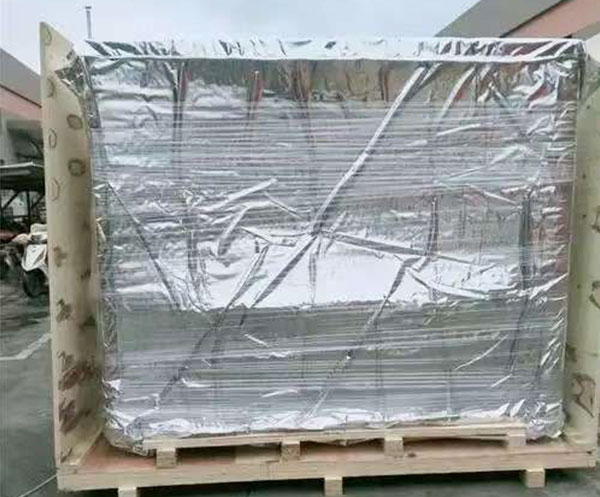
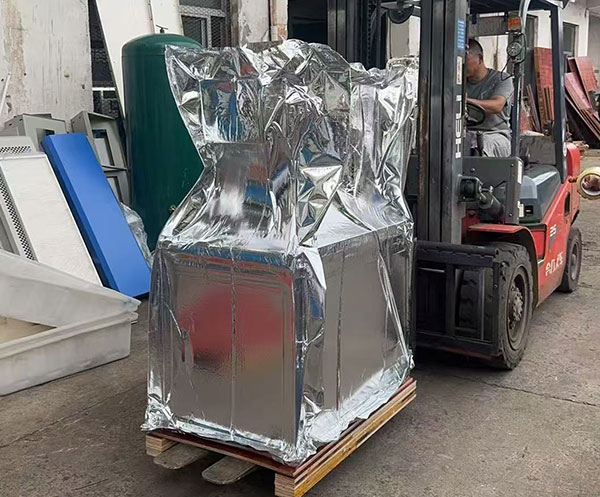
As the name suggests, aluminum foil composite packaging bags are packaging bags made primarily of aluminum foil, combined with other materials. They hold a unique position and function in the packaging industry.
Definition
Aluminum foil composite packaging bags are packaging bags formed by combining aluminum foil with plastic films and other materials through a specific process, resulting in bags with multiple excellent properties. This type of packaging bag is not simply a superposition of materials, but rather a full integration of the advantages of different materials to meet the packaging needs of various products.
Structure and Materials
Aluminum foil composite packaging bags generally have a multi-layered structure. Common material combinations include polyethylene terephthalate (PET)/aluminum foil (AL)/polyethylene (PE), polyethylene terephthalate (PET)/nylon (NY)/aluminum foil (AL)/polyethylene (PE), and polyethylene terephthalate (PET)/nylon (NY)/aluminum foil (AL)/cast polypropylene (CPP).
Polyethylene Terephthalate (PET): PET has high tensile strength and rigidity, giving the packaging bag good mechanical properties, making it less prone to damage during handling and storage. For example, in Electronic product packaging, PET can protect delicate electronic components from external pressure. Furthermore, PET has high transparency and good printability, allowing for the printing of exquisite patterns and product information on the packaging bag, enhancing the visual appeal of the product. For example, in the packaging of some high-end foods, the patterns printed on the PET layer can better showcase the product's characteristics.

Nylon (NY): The outstanding characteristics of nylon are its excellent flexibility and puncture resistance. When packaging products with sharp edges or hard textures, nylon can effectively prevent punctures, ensuring the integrity of the packaging. For example, in nut packaging, the nut shells may be hard, and the nylon layer can effectively resist punctures from the nuts, preventing damage to the packaging bag and subsequent spoilage of the nuts due to moisture. At the same time, nylon also has certain barrier properties, assisting other materials in better blocking gases and moisture.
Aluminum Foil (AL): Aluminum foil is a core component of aluminum foil composite packaging bags. It has extremely low gas and water vapor permeability, effectively blocking oxygen, water vapor, and light. This characteristic is crucial for products such as food and pharmaceuticals that require specific storage conditions. Taking coffee packaging as an example, aluminum foil prevents the volatile aromatic compounds in coffee from escaping, while also blocking oxygen from entering, preventing oxidation and spoilage, extending the coffee's shelf life, and maintaining its freshness and flavor. In addition, aluminum foil has good heat and cold resistance, maintaining stable performance in different temperature environments.
Polyethylene (PE): PE is a commonly used thermoplastic plastic with good heat-sealing properties. During the packaging bag manufacturing process, the PE layer can be sealed through a heat-sealing process, creating a closed space within the packaging bag and effectively preventing leakage of the contents. Furthermore, PE material is non-toxic and odorless, meeting food packaging hygiene standards, and is widely used in the food packaging field. For example, the inner layer of common milk and snack packaging often uses PE material to ensure safety when in direct contact with food.
Cast Polypropylene (CPP): CPP also has good heat-sealing properties, and its high transparency and good gloss make the packaged product look more attractive. In the packaging of products with high aesthetic requirements, such as candy and chocolate, CPP can showcase the product's appealing colors, attracting consumers' attention. At the same time, CPP also has certain moisture-proof properties, enhancing the overall protective effect of the packaging bag.
Manufacturing Process
The manufacturing process of aluminum foil composite packaging bags is relatively complex, mainly including the following key steps:
Lamination: Using a dry lamination process, different material layers are laminated together sequentially. First, a layer of adhesive is evenly applied to one film, then it is bonded to another layer of material. The adhesive is then cured by drying, achieving a strong bond between the two layers. This process is repeated to laminate the aluminum foil with other plastic films and other materials layer by layer, forming a multi-layered composite material. The selection of adhesive and the control of the coating amount are very important during the lamination process, directly affecting the composite strength and performance of the composite material.
Printing: According to customer needs and product characteristics, printing is performed on the outer layer of the laminated material. Various printing methods are available, such as gravure printing and flexographic printing. The inks used in the printing process must comply with relevant environmental and hygiene standards to ensure that they do not contaminate the product. The printed patterns and text can include product name, brand logo, product description, usage instructions, production date, and expiration date. This not only serves to promote the product but also provides consumers with necessary usage guidance.
Bag making: The printed composite material is cut according to the predetermined size and shape, and then various types of bags are made through a heat-sealing process, such as three-side seal bags, stand-up pouches, and zipper bags. During heat sealing, parameters such as temperature, pressure, and time must be carefully controlled to ensure the sealing and strength of the bag opening, preventing leaks. Different bag shapes are suitable for different products. For example, three-side seal bags have a simple structure and are suitable for packaging various small products; stand-up pouches can stand independently on shelves, making them convenient for display and access, and are commonly used for food and daily necessities; zipper bags have the feature of being able to be opened and closed repeatedly, making them suitable for products that require multiple uses, such as snacks and pet food.
What are Aluminum Foil Composite Packaging Bags?
As the name suggests, aluminum foil composite packaging bags are packaging bags made primarily of aluminum foil, combined with other materials. They hold a unique position and function in the packaging industry.
Definition
Aluminum foil composite packaging bags are packaging bags formed by combining aluminum foil with plastic films and other materials through a specific process, resulting in bags with multiple excellent properties. This type of packaging bag is not simply a superposition of materials, but rather a full integration of the advantages of different materials to meet the packaging needs of various products.
Structure and Materials
Aluminum foil composite packaging bags generally have a multi-layered structure. Common material combinations include polyethylene terephthalate (PET)/aluminum foil (AL)/polyethylene (PE), polyethylene terephthalate (PET)/nylon (NY)/aluminum foil (AL)/polyethylene (PE), and polyethylene terephthalate (PET)/nylon (NY)/aluminum foil (AL)/cast polypropylene (CPP).
Polyethylene Terephthalate (PET): PET has high tensile strength and rigidity, giving the packaging bag good mechanical properties, making it less prone to damage during handling and storage. For example, in Electronic product packaging, PET can protect delicate electronic components from external pressure. Furthermore, PET has high transparency and good printability, allowing for the printing of exquisite patterns and product information on the packaging bag, enhancing the visual appeal of the product. For example, in the packaging of some high-end foods, the patterns printed on the PET layer can better showcase the product's characteristics.
Nylon (NY): The outstanding characteristics of nylon are its excellent flexibility and puncture resistance. When packaging products with sharp edges or hard textures, nylon can effectively prevent punctures, ensuring the integrity of the packaging. For example, in nut packaging, the nut shells may be hard, and the nylon layer can effectively resist punctures from the nuts, preventing damage to the packaging bag and subsequent spoilage of the nuts due to moisture. At the same time, nylon also has certain barrier properties, assisting other materials in better blocking gases and moisture.
Aluminum Foil (AL): Aluminum foil is a core component of aluminum foil composite packaging bags. It has extremely low gas and water vapor permeability, effectively blocking oxygen, water vapor, and light. This characteristic is crucial for products such as food and pharmaceuticals that require specific storage conditions. Taking coffee packaging as an example, aluminum foil prevents the volatile aromatic compounds in coffee from escaping, while also blocking oxygen from entering, preventing oxidation and spoilage, extending the coffee's shelf life, and maintaining its freshness and flavor. In addition, aluminum foil has good heat and cold resistance, maintaining stable performance in different temperature environments.
Polyethylene (PE): PE is a commonly used thermoplastic plastic with good heat-sealing properties. During the packaging bag manufacturing process, the PE layer can be sealed through a heat-sealing process, creating a closed space within the packaging bag and effectively preventing leakage of the contents. Furthermore, PE material is non-toxic and odorless, meeting food packaging hygiene standards, and is widely used in the food packaging field. For example, the inner layer of common milk and snack packaging often uses PE material to ensure safety when in direct contact with food.
Cast Polypropylene (CPP): CPP also has good heat-sealing properties, and its high transparency and good gloss make the packaged product look more attractive. In the packaging of products with high aesthetic requirements, such as candy and chocolate, CPP can showcase the product's appealing colors, attracting consumers' attention. At the same time, CPP also has certain moisture-proof properties, enhancing the overall protective effect of the packaging bag.
Manufacturing Process
The manufacturing process of aluminum foil composite packaging bags is relatively complex, mainly including the following key steps:
Lamination: Using a dry lamination process, different material layers are laminated together sequentially. First, a layer of adhesive is evenly applied to one film, then it is bonded to another layer of material. The adhesive is then cured by drying, achieving a strong bond between the two layers. This process is repeated to laminate the aluminum foil with other plastic films and other materials layer by layer, forming a multi-layered composite material. The selection of adhesive and the control of the coating amount are very important during the lamination process, directly affecting the composite strength and performance of the composite material.
Printing: According to customer needs and product characteristics, printing is performed on the outer layer of the laminated material. Various printing methods are available, such as gravure printing and flexographic printing. The inks used in the printing process must comply with relevant environmental and hygiene standards to ensure that they do not contaminate the product. The printed patterns and text can include product name, brand logo, product description, usage instructions, production date, and expiration date. This not only serves to promote the product but also provides consumers with necessary usage guidance.
Bag making: The printed composite material is cut according to the predetermined size and shape, and then various types of bags are made through a heat-sealing process, such as three-side seal bags, stand-up pouches, and zipper bags. During heat sealing, parameters such as temperature, pressure, and time must be carefully controlled to ensure the sealing and strength of the bag opening, preventing leaks. Different bag shapes are suitable for different products. For example, three-side seal bags have a simple structure and are suitable for packaging various small products; stand-up pouches can stand independently on shelves, making them convenient for display and access, and are commonly used for food and daily necessities; zipper bags have the feature of being able to be opened and closed repeatedly, making them suitable for products that require multiple uses, such as snacks and pet food.
Frequently Asked Questions (FAQs)
1. How much moisture and oxygen can High-Barrier Aluminum Foil Composite Bags protect against?
High-barrier aluminum foil composite bags use a multi-layer composite structure, with the aluminum foil layer forming a dense barrier. This controls the water vapor transmission rate to within 0.5-1.5 g/m²·24h and effectively blocks oxygen. Combined with heat sealing and vacuum packaging processes, it can stabilize the internal environment of the bag, preventing items from getting damp, oxidizing, or molding.
2. What types of items are suitable for this packaging bag?
It is suitable for high-value items sensitive to humidity and oxygen, including precision electronic components, metal components, chemical raw materials, pharmaceutical reagents, and dried food products. It provides comprehensive protection for both long-distance export transportation and long-term storage.
3. Can the packaging bag withstand collisions or compression during transportation?
The outer layer of the composite bag uses high-strength plastic films such as PP and PET, which have excellent tensile and puncture resistance. It can effectively withstand compression, collisions, and external impacts during handling and transportation, preventing packaging damage and subsequent loss of protection.
4. Can the size or function be customized according to product specifications?
Yes. We provide flexible customization services. The bag specifications and thickness can be adjusted according to product size, shape, and weight. Functions such as anti-static, high-temperature resistance, and light shielding can also be added to ensure the composite bag perfectly meets the packaging needs of different products.
5. Does this packaging bag comply with export and industry standards?
Yes. The high-barrier aluminum foil composite bag complies with international packaging compliance requirements such as EU REACH and FDA, and meets the storage and transportation specifications of multiple industries. It can be safely used for long-distance transportation and international exports, reducing transportation risks and ensuring the safe and intact arrival of goods at their destination.
This website uses cookies to ensure you get the best experience on our website.
 Español
 Pусский
 Deutsch
 العربية



 WhatsApp
 Phone
Phone