

Non-woven fabric is a type of fabric formed without spinning or weaving. It's made by arranging short or long textile fibers in a directional or random manner to form a web structure, which is then reinforced using mechanical, thermal, or chemical methods.
Non-woven fabric is a type of non-woven material. It's made by directly using polymer chips, short fibers, or filaments to form a web through airflow or mechanical means, followed by hydroentangling, needle punching, or thermal rolling for reinforcement, and then finishing processes to create a non-woven fabric. It's a new type of fiber product with a soft, breathable, and planar structure. Its advantages include no fiber shedding, strength, durability, silky softness, and it's also a reinforcing material with a cotton-like feel. Compared to cotton fabrics, non-Woven Bags are easier to shape and cheaper to produce.
Non-woven bags (also known as non-woven fabric bags) are an eco-friendly product. They are tough, durable, aesthetically pleasing, breathable, reusable, washable, can be screen-printed with advertisements and labels, and have a long lifespan.
The product uses non-woven fabric as its raw material, a new generation of environmentally friendly material. It features moisture resistance, breathability, flexibility, lightweight, non-combustibility, easy decomposition, non-toxicity, non-irritation, rich colors, low price, and recyclability. This material can naturally decompose in 90 days outdoors and has a lifespan of up to 5 years indoors. When burned, it is non-toxic, odorless, and leaves no residue, thus not polluting the environment.
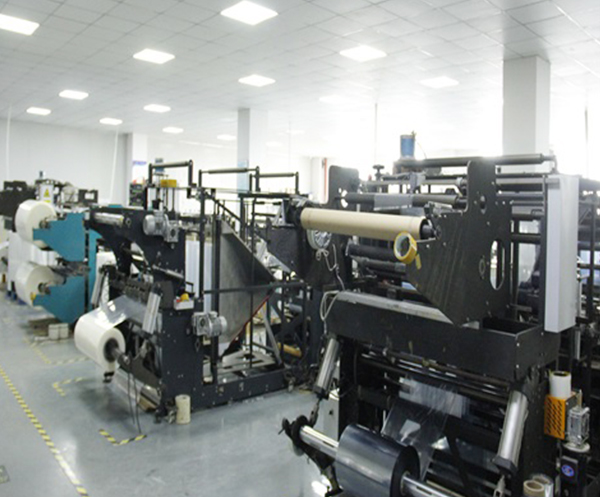
Non-woven bags are a new product to replace plastic waste. With the increase in new energy sources and the promotion of environmental protection and energy conservation by relevant departments, environmental pollution is becoming increasingly serious. To get rid of this plastic pollution and make our lives better, many environmentally conscious people have thought of a new product—non-woven bags—and its advantages are obvious.
(Note: The last sentence about non-woven shopping bags is unrelated and appears to be a separate comment.) Stitch-woven nonwoven bags are a type of dry-laid nonwoven fabric. The stitch-weaving method uses warp-knitted loop structures to reinforce fiber webs, yarn layers, nonwoven materials (such as plastic sheets, plastic foil, etc.), or combinations thereof, to create nonwoven fabric.
Therefore, nonwoven bags are widely recognized as economical and environmentally friendly shopping bags.
High-strength printed bags, Suitable for Logistics and Retail Packaging
High-strength printed bags are made from high-density polyethylene (HDPE) or polypropylene (PP) as core materials, with some reinforced with fibers for enhanced toughness. Produced through film blowing, bag making, and high-precision printing processes, these bags combine excellent tear and tensile resistance with clear print display. With their dual function of protection and marketing, they have become a mainstream choice in logistics and retail packaging, accurately meeting the core needs of both scenarios.
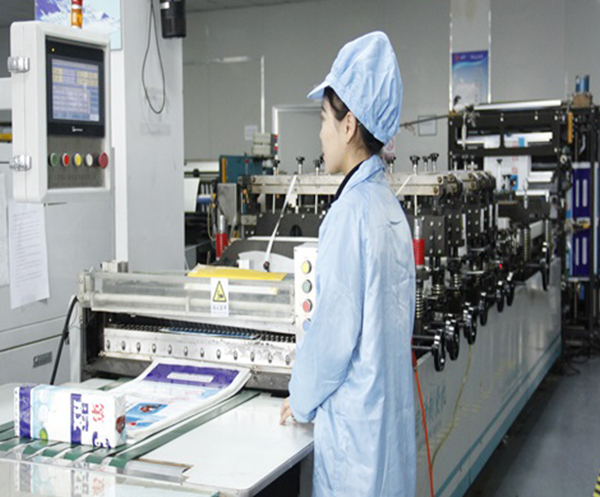
In logistics packaging, the high-strength properties are a key advantage. The resilient material withstands long-distance transport, sorting, and handling pressures, preventing damage to clothing, daily necessities, and small industrial items, reducing logistical losses. The bag surface can display transport labels, moisture warnings, and delivery information to improve sorting efficiency and transport safety. Some models offer reinforced or thicker designs for heavier goods, while the lightweight nature reduces transport weight and cost, supporting efficient logistics. These bags are widely used in e-commerce shipping and bulk item distribution.
For retail packaging, printing quality complements protective performance. Gravure or flexographic printing achieves high-definition patterns, brand logos, and product information, enhancing product recognition and brand value. The material provides excellent moisture and dust resistance, protecting snacks, daily necessities, stationery, and other retail items. Customizable sizes and designs, combined with handles or easy-open options, improve consumer experience, suitable for supermarkets, convenience stores, and specialty shops, balancing practicality with marketing appeal.
Frequently Asked Questions (FAQs):
1. Are these printed bags suitable for packaging heavy loads?
Our High-strength printed bags use HDPE or PP base materials and can be reinforced with fibers, offering excellent tensile and tear resistance. They can safely hold light to medium-weight daily necessities and small industrial goods, ensuring no damage during logistics and transportation, suitable for packaging needs of various weight classes.
2. Is the bag printing clear and durable?
The printed bags use high-precision gravure or flexographic printing processes to present high-definition images and brand logos. The printed content is abrasion-resistant and does not easily fade, ensuring both logistics protection and enhancing brand display, meeting the visualization needs of retail and logistics.
3. Do these printed bags meet food or daily necessities safety standards?
All printed bags use materials that meet food safety and environmental protection requirements, are safe and non-toxic, and can be used for packaging dry goods, snacks, daily necessities, etc. We can provide food contact grade or environmentally friendly biodegradable materials according to customer needs to ensure compliance and safety.
4. Can you customize sizes, thicknesses, and bag types?
We support full customization, including bag width, length, thickness, and structural designs such as handles and easy-pull mechanisms, to meet the needs of logistics sorting, retail display, and automated packaging. Customization options effectively improve packaging efficiency while reducing material waste.
5. Are the bags durable during long-distance transportation or outdoor environments?
The high-strength base material and reinforcing fiber design give the printed bags excellent resistance to compression, abrasion, and punctures. They are resistant to low temperatures, high temperatures, and humidity changes, maintaining their integrity during long-distance transportation or warehousing, ensuring the safety of goods.
This website uses cookies to ensure you get the best experience on our website.
 Español
 Pусский
 Deutsch
 العربية



 WhatsApp
 Phone
Phone