

I. Agriculture: Woven Film Supports Modern Agriculture's "Growth Guarantee System"
Agriculture is one of the earliest and most widely used fields for woven film. From field planting to post-harvest storage, woven film addresses three core issues: "environmental control," "crop protection," and "product preservation," becoming an important auxiliary material in modern agricultural production. Different agricultural scenarios have significantly different performance requirements for woven film, necessitating precise adaptation through material selection and process optimization.
(I) Field Planting Scenarios: Regulating the Microenvironment to Improve Crop Yield and Quality
In field planting, woven film is mainly used for greenhouse covering, mulching, and bird and insect netting. Through physical isolation and environmental control, it creates suitable growth conditions for crops, reducing the impact of natural factors.
1. Woven Film for Greenhouse Covering: Balancing Light Transmission and Weather Resistance, Extending Service Life
Traditional agricultural greenhouses mostly use pure plastic films (such as PE Films), but these films have poor weather resistance, a service life of only 1-2 years, and weak wind resistance, easily torn by strong winds. PP woven film (or PP/PE composite woven film), with the addition of UV stabilizers and toughening agents, has become a preferred material for greenhouse coverings. Its tensile strength can reach 250-300 N/5cm, its wind resistance is more than 50% higher than pure PE film, and it has excellent UV aging resistance, maintaining more than 70% of its strength even after 3 years of outdoor exposure, extending its service life to 3-5 years and reducing greenhouse maintenance costs.
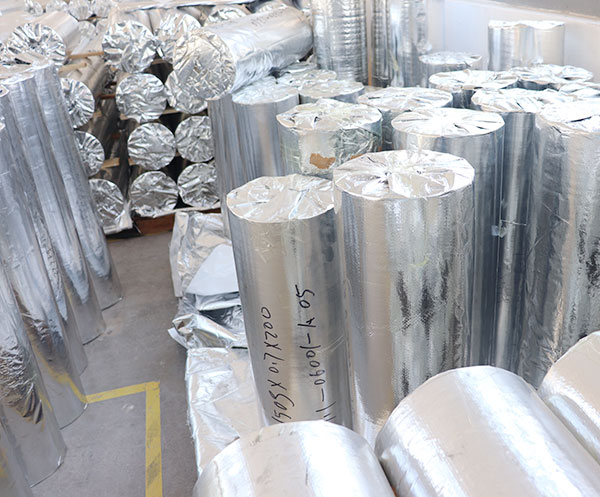
To adapt to the light requirements of different crops, the light transmittance of greenhouse woven film can also be adjusted: High light transmittance (above 85%) is required for growing vegetables (such as cucumbers and tomatoes) to ensure normal photosynthesis; low light transmittance (below 30%) is required for growing edible fungi (such as shiitake and oyster mushrooms) in black or gray woven film to create a shaded environment. In addition, some high-end greenhouse woven films use a composite structure of "PP woven layer + PE film + anti-fog coating". The anti-fog coating reduces fog condensation inside the film (fog can cause crop diseases), stabilizing the relative humidity inside the greenhouse at 60%-70%, and reducing the incidence of diseases by more than 30%. For example, at a vegetable planting base in Shouguang, Shandong, cucumber yields increased by 15% compared to traditional PE film greenhouses after using transparent composite woven film to cover the greenhouses. Furthermore, due to the extended lifespan of the film, annual replacement costs were reduced by 2000 yuan per mu.
2. Woven Film for Mulching: Heat Insulation and Moisture Retention + Weed Suppression, Reduced Pesticide Use
The core function of mulch film is to increase soil temperature, maintain soil moisture, and suppress weed growth. Traditional mulch films are mostly thin PE films, but they are prone to damage and difficult to recycle (leaving soil residue that pollutes the environment). PP/LLDPE composite woven film (15-20μm thick) has become a new type of mulch film material due to its excellent puncture resistance (puncture strength ≥30N) and biodegradability (some with added biodegradable coatings). Its puncture resistance can withstand punctures from soil stones and crop roots, reducing the breakage rate by more than 60% compared to traditional PE mulch film. Its service life can reach 6-8 months, covering the entire crop growth period (such as the 3-5 month growth period for cotton and corn).
Different crops have different mulch film requirements: cotton planting requires black woven film, utilizing its shading properties (shading rate ≥90%) to suppress weed growth and reduce herbicide use; rice seedling raising requires transparent woven film, which raises soil temperature by 2-3℃ through light transmission, promoting early and rapid seedling growth; while tobacco planting requires silver-gray woven film, which provides both heat and moisture retention, reflects sunlight, and repels pests such as aphids, reducing pest incidence. For example, in a cotton-growing area in Henan Province, after adopting black PP woven mulch film, the weed coverage rate dropped from 30% with traditional PE mulch film to below 5%, reducing herbicide usage by 1.5 kg per mu (approximately 0.067 hectares), while cotton yield increased by 8%.
3. Woven Film for Bird and Insect Netting: Physical Isolation, Protecting Crop Safety
Bird pecking and insect infestation are common problems in agricultural planting. Traditional protection methods often use nylon netting, but nylon netting has low strength, is prone to aging, and has a lifespan of only 1-2 years. LLDPE woven film (80-100 g/m²) is an ideal material for bird and insect netting due to its high tear strength (right-angle tear strength ≥80 kN/m) and good weather resistance. Its mesh size can be adjusted according to the type of pest (e.g., 40 mesh for aphid control, 20 mesh for bird control), providing significant physical isolation and a lifespan of 3-4 years, more than twice that of nylon netting.
In orchard cultivation, the application of bird- and insect-proof woven film is particularly widespread. For example, in the apple-producing areas of Shaanxi Province, annual losses due to bird pecking during the apple ripening season can reach 10%-15%. After covering the orchard with 20-mesh LLDPE woven netting, bird-pecking losses were reduced to below 2%, and the netting can be reused for 3 years. The annual cost per acre is only 80 yuan, far lower than the 120 yuan/year of traditional nylon netting. Furthermore, some insect-proof woven films contain added insect repellents (such as menthol and pyrethroids), which enhance the insect-repellent effect through the slow release of their scent. The repellency rate against pests such as aphids and whiteflies can reach over 70%, reducing the amount of pesticides used.
(II) Agricultural Product Storage Scenarios: Moisture and Insect Prevention, Extending Shelf Life and Freshness
After harvesting agricultural products, the main problems during storage are "moisture and mold," "insect infestation," and "loss due to spillage." Woven film, with its sealing, barrier, and protective functions, has become an important material for ensuring the safe storage of agricultural products, commonly used in the storage packaging of grains, fruits and vegetables, and feed.
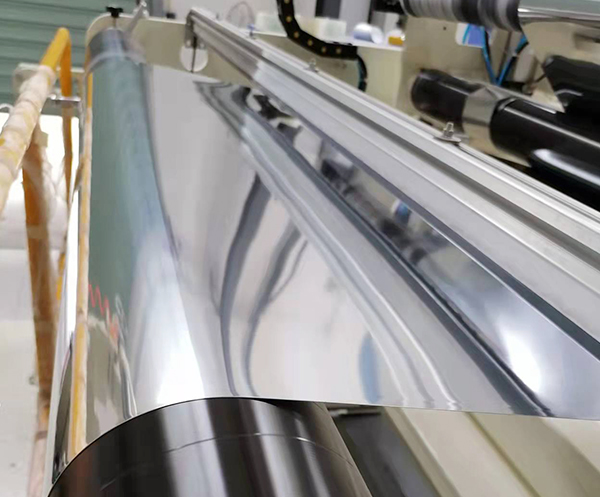
1. Woven Film for Grain Storage: Moisture-proof and Sealing, Reducing the Risk of Mold
The core requirements for grain (such as wheat, corn, and rice) storage are moisture prevention and sealing. Traditional storage often uses burlap sacks or ordinary Woven Bags, but burlap sacks have poor moisture resistance, and ordinary woven bags lack sufficient sealing, making grain prone to mold growth after storage for more than 3 months. PP/PE composite woven film (20-25μm thick) solves this problem through the moisture-proof layer of the PE film (moisture permeability ≤10g/(m²・24h)) and its heat-sealing design. After the grain is placed in the composite woven bag, the bag opening is sealed using a heat-sealing machine, maintaining a stable relative humidity of 50%-60% inside the bag. This reduces the grain mold rate from 8% with ordinary woven bags to below 1%, extending the storage period to 6-12 months.
To adapt to the storage needs of different grains, insecticides (such as deltamethrin) can be added to the composite woven film, achieving a kill rate of over 90% against common grain storage pests such as corn weevils and rice weevils, preventing grain loss due to pests. For example, a grain reserve in Heilongjiang Province used PP/PE composite woven film containing insecticides to store corn. During the six-month storage period, pest losses decreased from 5% to below 0.5%, saving approximately 10 yuan per ton of corn. Based on a corn reserve of 100,000 tons, this translates to annual cost savings of 1 million yuan.
2. Woven Films for Fruit and Vegetable Preservation: A Balanced Approach to Breathability and Moisture Retention, Maintaining Freshness
The core requirements for storing fruits and vegetables (such as potatoes, onions, and citrus fruits) are breathability and moisture retention. Excessive sealing leads to the accumulation of carbon dioxide produced by respiration, causing rot; excessive ventilation, on the other hand, leads to moisture loss, affecting taste. PE/PP breathable woven film (with added air pores or a microporous structure) achieves a balance between breathability and moisture retention by precisely controlling the air permeability (100-200 cm³/(m²・24h・0.1 MPa)). Its moisture retention performance reduces the water loss rate of fruits and vegetables from 15% with ordinary woven bags to below 5%, while its breathability prevents the carbon dioxide concentration inside the bag from exceeding 5% (high carbon dioxide concentration inhibits the respiration of fruits and vegetables), thus extending the shelf life.
For example, in potato storage, using PE breathable woven film extends the shelf life from 2 months with ordinary woven bags to 4 months, and the potato skin remains smooth without wrinkling. In citrus storage, breathable woven film reduces the mold rate of citrus fruits (from 8% to 2%) while maintaining the sweetness and moisture of the fruits. Furthermore, some fruit and vegetable woven films use colored designs (such as orange and green) to reflect sunlight, preventing excessively high storage temperatures and further enhancing the preservation effect.
3. Woven Film for Feed Packaging: Anti-Pollution + Anti-Oxidation, Ensuring Feed Quality
The core requirements for feed storage (such as pig feed and chicken feed) are prevention of pollution and oxidation. If feed comes into contact with dust, moisture, or oxygen, it is prone to mold or oxidation, producing harmful substances (such as aflatoxin), affecting livestock and poultry health. PP/LLDPE composite woven film (with added antioxidants and a moisture barrier) has become the mainstream material for feed packaging due to its excellent sealing properties (oxygen permeability ≤15cm³/(m²・24h・0.1MPa)) and anti-pollution performance. Its smooth surface does not easily attract dust, and the moisture barrier prevents moisture intrusion, ensuring that the mold rate of feed remains below 0.5% within 3 months of storage, and the oxidation value (acid value) remains within a safe range (≤5mg KOH/g).
To meet the needs of automated feed packaging, this type of woven film also has good heat-sealing performance (heat-sealing strength ≥15N/15mm), making it compatible with automated packaging production lines and increasing packaging efficiency by more than 3 times compared to manual packaging. For example, a feed production company in Guangdong Province increased its packaging efficiency from 50 bags/hour to 150 bags/hour after adopting PP/LLDPE composite Woven film packaging for pig feed. Simultaneously, due to a reduction in feed mold rates, customer complaint rates decreased by 40%.
II. Industrial Sector: Woven Film Supports the "Protection and Efficiency System" of Industrial Production
The industrial sector has much higher requirements for material strength, weather resistance, and corrosion resistance than the agricultural sector. Through material upgrades (such as HDPE woven film and composite woven film) and performance optimization, woven film has become a "high-strength protective material" in industrial production. It is mainly used in three scenarios: industrial product packaging, equipment transportation protection, and engineering construction assistance, solving core issues such as "product protection," "transportation safety," and "construction efficiency."
(I) Industrial Product Packaging Scenarios: Puncture and Compression Resistance, Protecting Product Integrity
Industrial products (such as hardware parts, building pipes, and chemical raw materials) are often heavy, irregularly shaped, and easily scratched. Traditional packaging materials (such as cardboard boxes and ordinary plastic films) are easily damaged and cannot provide effective protection. HDPE woven film (or HDPE/PP composite woven film) is the preferred choice for industrial product packaging due to its high strength and puncture resistance. Its tensile strength reaches 300-350N/5cm, and its puncture resistance is ≥40N, capable of withstanding compression, collisions, and scratches during transportation.
1. Woven Film for Hardware Parts Packaging: Scratch Protection + Categorized Storage, Improving Assembly Efficiency
Hardware parts (such as screws, nuts, and bearings) are small in size and numerous, and their surfaces are easily scratched by friction, affecting the product's appearance and precision. LLDPE/PP composite woven film (25-30μm thick) achieves safe packaging of hardware parts through its soft material and smooth surface—its low surface friction coefficient (≤0.3) reduces friction and scratches between parts, lowering the scratch incidence rate from 20% of ordinary woven bags to below 3%. Simultaneously, the woven film can be made into small bags of different sizes, enabling categorized storage of parts for convenient subsequent retrieval.
For example, a hardware manufacturing company in Zhejiang Province used LLDPE/PP composite woven film to package bearings. This reduced the surface scratch rate of bearings from 15% to 2%, increased the product qualification rate by 13%, and reduced parts retrieval time in the assembly workshop by 50% and increased production efficiency by 10% due to categorized storage. Furthermore, some hardware packaging woven films contain antistatic agents (surface resistance ≤10¹⁰Ω) to prevent static electricity from attracting dust, keeping parts clean and suitable for packaging precision hardware parts (such as screws in electronic components).
2. Woven Film for Building Pipe Packaging: Compression Resistance + Deformation Prevention, Reducing Transportation Losses
Building pipes (such as PVC pipes and steel pipes) are long (usually 3-6m) and heavy (10-20kg each), making them prone to deformation during transportation due to compression, affecting their use. HDPE braided film (120-150 g/m²) provides protective wrapping for pipes due to its high strength and tensile properties. Wrapping the film around the pipe surface (3-5 layers) forms a "buffer layer" to resist the crushing forces during transportation, reducing pipe deformation from 10% with ordinary packaging to below 1%.
To accommodate the long dimensions of pipes, this type of braided film uses a wide design (1-2 m), allowing for one-time coverage of the pipe surface, increasing packaging efficiency by more than twice compared to narrow-width film. For example, a pipe manufacturer in Hebei province used 1.5 m wide HDPE braided film to package PVC pipes, reducing packaging time per pipe from 2 minutes to 1 minute, and decreasing pipe deformation during transportation from 8% to 0.8%, resulting in a 35% reduction in customer return rates. In addition, some pipe braided membranes are coated with abrasion-resistant coatings to improve surface abrasion resistance (Martindale abrasion test ≥3000 times) and prevent the braided membrane from being damaged during transportation, thus exposing the pipe.
The core components of electronic products are highly sensitive to environmental humidity and corrosive gases. During storage, transportation, and long-term warehousing, the use of moisture-proof and corrosion-proof woven film serves as a critical line of defense to ensure stable product performance.
This type of woven film is based on high-strength polypropylene fibers and is combined with moisture-resistant coatings and corrosion-barrier layers. It features high toughness, puncture resistance, and strong sealing performance, effectively isolating external moisture, salts, and acidic or alkaline corrosive gases. In humid environments, electronic products are prone to issues such as circuit board short circuits, oxidation of metal contacts, and corrosion of chip pins, which can directly lead to malfunctions or shortened service life. In coastal areas with high salt spray or in industrially polluted environments, corrosive gases can further accelerate component aging and cause irreversible damage. By creating a sealed protective space, moisture-proof and corrosion-proof woven film helps maintain internal humidity within a safe range and blocks contact between corrosive media and the product, fundamentally reducing these risks.
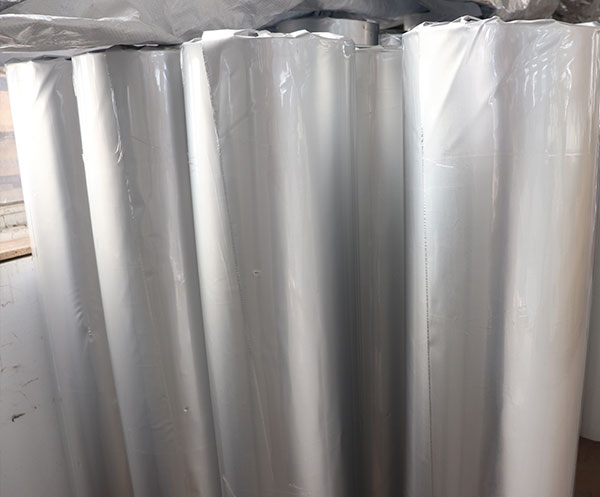
At the same time, the high-strength structure of the woven film provides cushioning protection for electronic products, helping them withstand compression and impact during transportation while maintaining ease of handling and storage. In the context of a globalized supply chain, electronic products often undergo long-distance transport across multiple environments. Moisture-proof and corrosion-proof woven film can adapt to complex conditions such as high temperatures, high humidity, and drastic temperature changes, ensuring consistent product quality from the manufacturing site to the end customer.
In addition, compared with traditional packaging materials, moisture-proof and corrosion-proof woven film can be reused or recycled, aligning with the trend toward green packaging. This not only helps reduce overall packaging costs but also supports compliance with environmental and sustainability requirements.
Frequently Asked Questions (FAQs):
1. What is the core difference between moisture-proof and corrosion-resistant woven film and ordinary woven film?
Moisture-proof and corrosion-resistant woven film, based on ordinary polypropylene woven substrate, has an additional composite moisture-proof barrier layer and anti-corrosion coating, which can significantly reduce water vapor transmission rate and effectively block corrosive media such as salt spray and acidic/alkaline gases. Compared with ordinary woven film, it has stronger protective stability in high humidity, high salt, or industrial pollution environments, making it more suitable for medium- and long-term storage and transportation of electronic products.
2. Is the protective effect of this woven film reliable in high humidity or marine environments?
This type of woven film has a structure optimized for marine and humid environments, maintaining stable protective performance under conditions of high humidity and frequent temperature changes. Through a multi-layer composite structure, it effectively inhibits condensation formation, reducing the risk of moisture, oxidation, and corrosion of electronic components, making it suitable for cross-regional, long-cycle transportation scenarios.
3. Will moisture-proof and corrosion-resistant woven film affect packaging strength or packing efficiency?
No. Moisture-proof and corrosion-resistant woven film uses high-strength polypropylene fibers as its base material, possessing excellent tensile strength and puncture resistance. While enhancing protective performance, it maintains good flexibility and maneuverability, facilitating folding, sealing, and stacking without affecting packing efficiency and logistics operations.
4. What types of electronic products is this woven film suitable for?
Moisture-proof and corrosion-resistant woven film is suitable for packaging a variety of electronic products, including electronic components, circuit boards, complete machines, industrial control equipment, and precision electronic modules. It is especially suitable for products sensitive to humidity and corrosive gases, requiring long-term storage or long-distance transportation.
5. Does the moisture-proof and corrosion-resistant woven film meet environmental and sustainable packaging requirements?
This woven film is based on recyclable materials, has a stable structure, and a long service life. It can be reused depending on usage conditions, reducing single-use packaging consumption. While meeting protective performance requirements, it helps reduce overall packaging costs, meeting current demands for Environmentally friendly packaging and sustainable supply chains.
This website uses cookies to ensure you get the best experience on our website.
 Español
 Pусский
 Deutsch
 العربية



 WhatsApp
 Phone
Phone