

Aluminum‑coated Woven Bags have become an essential solution for industries seeking reliable, durable, and protective packaging for export shipments. These bags combine the strength of woven materials with the protective properties of aluminum coating, ensuring goods remain safe during long-distance transportation. With global trade expanding rapidly, selecting the right packaging solution is critical for maintaining product integrity and reducing losses. This article explores the advantages, applications, and best practices for using Aluminum‑coated woven bags for export shipments.
Aluminum‑coated woven bags are constructed using woven polypropylene or polyethylene materials that are then coated with a thin layer of aluminum. This coating provides additional protection against moisture, UV radiation, dust, and chemical exposure. Compared to standard woven bags, aluminum‑coated options offer superior performance in challenging environments. These properties make them ideal for export shipments where goods are exposed to varying climates, handling practices, and transportation conditions.
Moisture can severely damage products during export, especially if shipments cross humid regions or encounter rain during transit. Aluminum‑coated woven bags provide an effective moisture barrier. This ensures that goods such as chemicals, minerals, grains, and industrial products remain dry and retain their original quality throughout the shipping process.
Exposure to direct sunlight can deteriorate the quality of many products, including food items, chemicals, and sensitive materials. Aluminum coating reflects UV rays, preventing degradation of both the bag and its contents. This UV resistance prolongs the shelf life of exported goods and maintains their integrity during extended transport.
During loading, unloading, and transportation, shipments are exposed to dust, dirt, and other environmental contaminants. Aluminum‑coated woven bags prevent dust penetration and protect goods from contamination, which is especially crucial for chemical, pharmaceutical, and agricultural exports.
Aluminum‑coated woven bags maintain the structural integrity of standard woven materials while adding a protective layer. These bags are resistant to tearing, puncturing, and mechanical stress during handling, loading, and shipping. Their strength makes them ideal for bulk shipments and heavy-duty export requirements.
Extreme temperatures during international transit can compromise packaging and contents. Aluminum‑coated woven bags help insulate products, providing protection against temperature fluctuations. This feature is particularly valuable when transporting chemicals, minerals, and perishable goods that are sensitive to heat or cold.
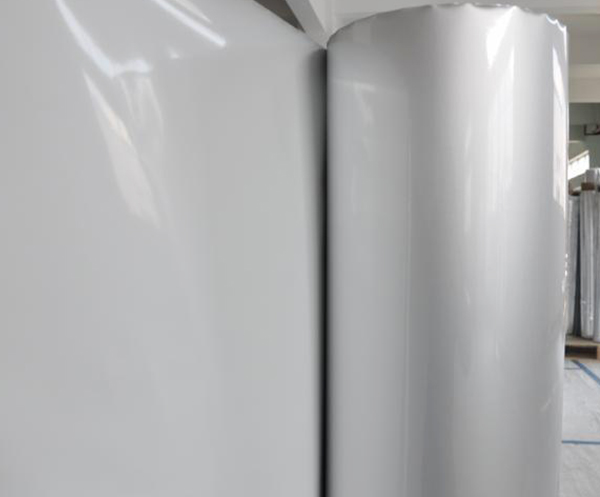
Aluminum‑coated woven bags are widely used across industries for export purposes due to their versatility and protective qualities:
Chemical Industry: Safely transporting powders, granules, and liquids without leakage or contamination.
Mineral Industry: Protecting bulk minerals from moisture and dust during international shipment.
Agriculture: Exporting grains, seeds, and other agricultural products while maintaining quality.
Industrial Products: Packaging small machinery parts or heavy materials securely for global transport.
The bags’ durability and protective properties make them an ideal solution for businesses seeking consistent performance and minimal losses during export.
Selecting the appropriate aluminum‑coated woven bag requires consideration of several key factors:
High-quality woven polypropylene or polyethylene forms the base of the bag. Ensure that the woven material is tightly knitted and has uniform thickness for maximum strength.
The thickness of the aluminum coating determines the bag’s effectiveness in moisture, UV, and temperature protection. Thicker coatings provide better resistance but may slightly increase the bag’s weight.
Choose a bag size suitable for your product and shipment method. Oversized bags may create handling challenges, while undersized bags could compromise protection or require multiple units per shipment.
Proper sealing is crucial for export shipments. Options include heat sealing, stitching, or adhesive closure. Choose a sealing method compatible with your product and shipping conditions to ensure minimal leakage and contamination.
Some countries have specific regulations regarding packaging materials, especially for chemicals and food products. Ensure the aluminum‑coated woven bags meet international packaging standards and export compliance requirements.
Aluminum‑coated woven bags offer distinct advantages compared to standard woven bags:
Enhanced protection against environmental elements.
Increased durability for long-distance transport.
Reduced risk of contamination and spoilage.
Better performance for bulk or heavy materials.
Compliance with international shipping standards.
These benefits make aluminum‑coated woven bags a preferred choice for businesses seeking secure, reliable export packaging solutions.
Inspect Bags Before Use: Check for defects, punctures, or coating damage to prevent product compromise.
Proper Filling and Sealing: Avoid overfilling to prevent tearing; seal bags according to manufacturer instructions.
Stacking and Storage: Use pallets or protective surfaces when stacking to prevent crushing or deformation.
Labeling and Documentation: Clearly mark contents, weight, and handling instructions for smooth customs clearance.
Regular Quality Checks: For bulk export operations, perform random inspections to maintain consistency and reliability.
Following these best practices ensures that aluminum‑coated woven bags perform optimally throughout the export process.
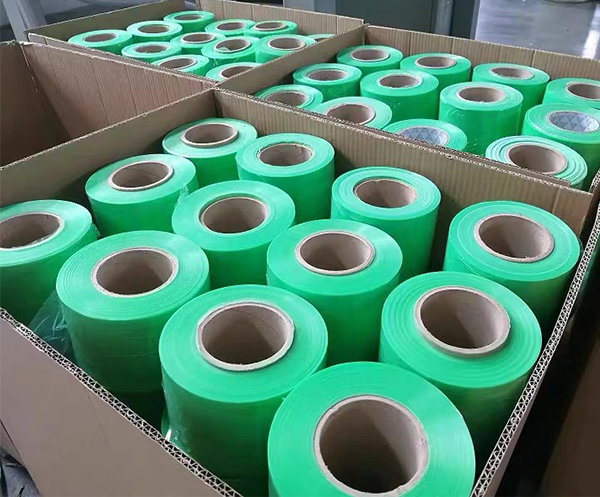
Many aluminum‑coated woven bags are recyclable or reusable, reducing environmental impact. Businesses increasingly prioritize sustainable packaging solutions to meet corporate responsibility and regulatory requirements. Using recyclable aluminum-coated bags aligns with eco-friendly practices while maintaining durability and protection for export shipments.
While aluminum‑coated woven bags may be slightly more expensive than standard woven bags, the reduction in product damage, contamination, and losses during export often offsets the initial cost. Investing in quality bags provides long-term savings by protecting goods and reducing claims or returns.
Aluminum‑coated woven bags are a superior packaging solution for export shipments. Their moisture, UV, dust, and temperature resistance, combined with durability and structural strength, make them ideal for transporting chemicals, minerals, agricultural products, and industrial goods. Businesses seeking secure, reliable, and cost-effective packaging should consider aluminum‑coated woven bags to ensure safe and efficient exports.
This website uses cookies to ensure you get the best experience on our website.
 Español
 Pусский
 Deutsch
 العربية



 WhatsApp
 Phone
Phone
Comment
(0)