

I. Definition and Classification of Woven Film: Understanding the Basic Framework of the Product
Woven film is not a single-specification product, but rather a series of materials formed based on raw material type, structural characteristics, and application scenarios. Clearly defining and classifying it is a prerequisite for accurate selection and rational application.
1.1 Basic Definition of Woven Film
Woven film refers to a multi-layered flexible material made from plastic particles such as polyethylene (PE) and polypropylene (PP) as raw materials. These particles are extruded, cut, and stretched into plastic flat filaments, which are then interwoven into a base fabric using a weaving machine. Depending on the requirements, it is then laminated (e.g., composite PE Film, CPP film) or coated (e.g., coated PVC, EVA) to create a final product. Its core advantages lie in combining the high tensile strength of plastic flat filaments with the barrier and sealing properties of composite layers. It also features lightweight (20-150g/m²), easy processing (can be made into bags, fabrics, covers, etc.), and controllable cost, meeting the load-bearing, protection, and storage needs of various scenarios.
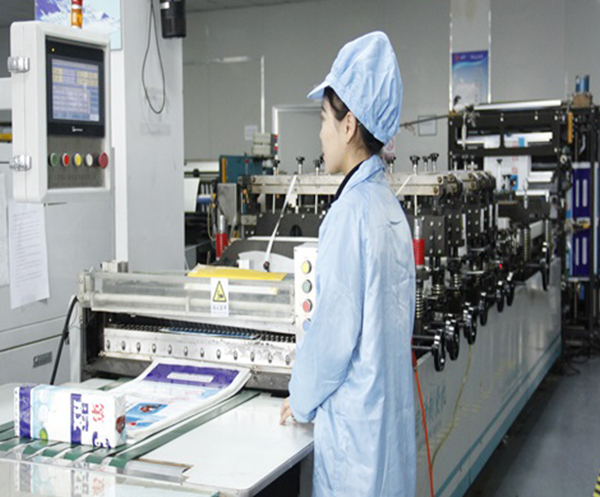
Compared to single plastic films or textile fabrics, woven films offer more comprehensive performance: pure plastic films (such as PE film), while flexible and easy to heat-seal, have low tensile strength (typically ≤20MPa), making them unsuitable for bearing heavy loads; traditional textile fabrics (such as cotton and canvas), while strong, suffer from poor corrosion resistance, are prone to moisture absorption, and are relatively expensive. Woven films, through a structural design of "flat yarn weaving + composite reinforcement," achieve both high tensile strength (up to 25-50MPa) and certain barrier properties and weather resistance, filling a performance gap in traditional packaging materials.
1.2 Core Classification Methods of Woven Films
Based on different classification dimensions, woven films can be divided into various types, with significant differences in raw materials, structure, performance, and application scenarios.
Classification by Raw Material Type
Raw materials are the core factor determining the basic performance of woven films. The differences in characteristics of different plastic raw materials directly affect the strength, temperature resistance, and weather resistance of woven films. Common raw material types include:
Polypropylene (PP) woven film: Made from PP particles, it is currently the most widely used type of woven film. PP flat yarns have high tensile strength (warp 22-30MPa, weft 20-28MPa), good temperature resistance (operating temperature range -10℃ to 80℃), and a certain degree of chemical corrosion resistance (stable to acid and alkali solutions with a concentration below 30%). PP woven film has a smooth surface and high stiffness, making it suitable for making grain ton bags, logistics packaging bags, and linings for building waterproof membranes. It can also be laminated with PE film to improve sealing for food packaging (such as rice and flour bags).
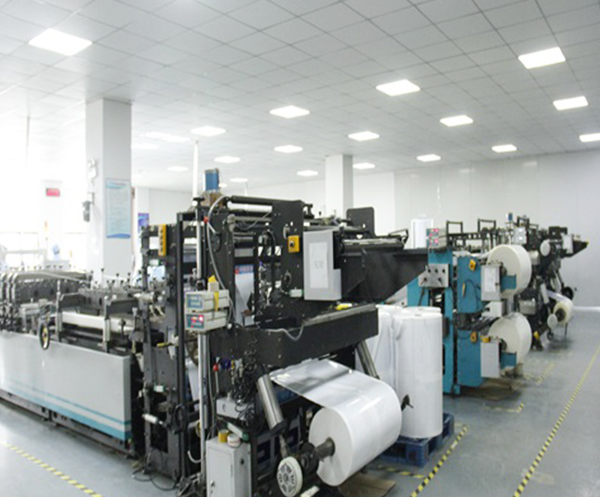
Polyethylene (PE) woven film: Made from PE particles (mainly linear low-density polyethylene LLDPE), it has better flexibility than PP woven film and outstanding low-temperature performance (operating temperature range -40℃ to 60℃). It maintains good toughness and is not easily brittle even at -40℃. The tensile strength of PE woven film is slightly lower than that of PP (warp 18-25MPa, weft 15-22MPa), but its impact resistance is stronger (dart impact strength 20-30kJ/m²). It is suitable for making cold chain transport packaging, outdoor temporary covering films, aquaculture cages, and can also be used in scenarios requiring frequent folding (such as portable shopping bags).
Modified plastic woven film: Achieved through the addition of functional additives (such as UV stabilizers, flame retardants, and antistatic agents) to PP or PE raw materials, or by blending with other plastics (such as nylon NY and polyvinyl chloride PVC). UV-resistant modified woven film, with the addition of UV absorbers such as UV-531, retains ≥80% of its tensile strength after 1000 hours of accelerated aging (UV irradiation), making it suitable for long-term outdoor use (e.g., greenhouse coverings, open-air storage tarpaulins). Flame-retardant modified woven film, with the addition of flame retardants such as magnesium hydroxide and aluminum hydroxide, achieves a UL94 V-2 flame retardancy rating, suitable for packaging electronic components and hazardous chemicals. Antistatic modified woven film, with the addition of antistatic agents such as polyoxyethylene alkylamine, maintains a surface resistivity of 10⁹-10¹¹Ω, suitable for packaging flammable and explosive materials (e.g., gunpowder, organic solvents).
Classification by Structural Characteristics
Based on whether it undergoes lamination or coating, Woven Membranes can be classified into single-layer woven membranes and composite/coated woven membranes. The performance and application scenarios of these two types differ significantly:
Single-layer woven membrane: Made solely of plastic flat filaments woven in warp and weft, it has a simple structure, low cost, and good air permeability (air transmittance ≥500L/(m²・24h)), but poor barrier properties (water vapor transmittance 100-150g/(m²・24h)) and a rough surface. It is mainly used in scenarios where sealing or barrier properties are not required, such as grain drying coverings, construction scaffolding safety nets, fruit bagging (air permeability prevents fruit rotting), and lightweight goods packaging (such as vegetables and hay). The flat filament density (warp and weft threads/10cm) is a key parameter for single-layer woven membranes. Common densities are 16×16 threads/10cm and 20×20 threads/10cm. Higher densities result in better tensile strength and puncture resistance.
Composite woven film: Through processes such as dry lamination and extrusion lamination, one or more layers of plastic film (such as PE, CPP, PET) are laminated onto the surface of a single-layer woven film to improve barrier properties, sealing properties and surface smoothness. Common composite structures include "woven fabric/PE", "woven fabric/CPP", and "woven fabric/PET/PE": "Woven fabric/PE" composite films possess good heat-sealing properties (heat-sealing temperature 120-180℃, heat-sealing strength 15-25N/15mm), and water vapor transmission rate reduced to 30-80g/(m²・24h), suitable for food packaging (such as flour bags, feed bags) and chemical granule packaging; "woven fabric/CPP" composite films are resistant to retort heating (can withstand 121℃ moist heat sterilization) and have good oil resistance, suitable for high-temperature sterilized foods (such as can linings) and edible oil packaging; "woven fabric/PET/PE" composite films combine the puncture resistance of the PET layer (puncture resistance ≥60N) with the sealing properties of the PE layer, suitable for heavy goods packaging (such as machine parts and metal components).
Coated woven film: A layer of polymer material (such as PVC, EVA, polyacrylate) is coated onto the surface of a single-layer woven film to fill the weave gaps, improving sealing, corrosion resistance, and flexibility. PVC coated woven film has excellent weather resistance (usable from -20℃ to 60℃) and chemical corrosion resistance (stable to acid, alkali, and salt solutions), with a smooth surface that is easy to clean, making it suitable for outdoor tents, car tarpaulins, and pool liners; EVA coated woven film is flexible (can be folded 1000 times without breaking) and does not become brittle at low temperatures, making it suitable for cold chain transportation covers and pipeline insulation outer layers; polyacrylate coated woven film has high transparency (light transmittance ≥80%) and good aging resistance, making it suitable for agricultural greenhouse coverings (balancing light transmission and insulation).
Customized Woven Membranes to meet different size and thickness requirements
Customized woven membranes are made from polypropylene (PP) or polyethylene (PE) as the core substrate, utilizing flexible production processes to precisely match size and thickness requirements across various industries. This makes them a high-quality material suitable for diverse packaging applications. The main advantage lies in comprehensive specifications and performance customization, effectively addressing the limitations of standard woven membranes for specialized packaging needs.
Regarding size customization, membranes can be produced from millimeter-level dimensions to several meters, ranging from 0.1m × 0.1m for electronic component packaging to oversized formats exceeding 3m × 2.5m for large machinery and generator units, including irregular-shaped dimensions to perfectly fit uneven cargo. Thickness customization adjusts according to load-bearing and protective needs, typically covering 0.08–0.2mm, with a corresponding weight range of 70g–180g, accommodating everything from lightweight daily-use packaging to heavy-duty industrial material protection.
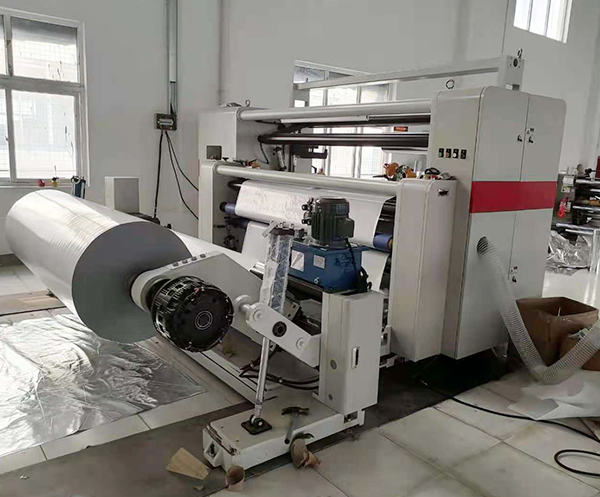
During customization, additional composite processes can enhance performance, such as combining with PE Film for improved sealing, aluminum foil for superior barrier properties, or adding functional additives like UV resistance and anti-static agents. This comprehensive customization capability enables applications across electronics, industrial, logistics, and agricultural sectors, ensuring packaging protection, storage convenience, and adaptability for both small-batch multi-specification and large-batch standardized production.
Frequently Asked Questions (FAQs):
1. What size range can your customized woven film meet?
Our customized woven film is available in a full range of sizes, from 0.1m x 0.1m to over 3m x 2.5m, and also supports irregular sizes. It is suitable for various applications such as electronic components, industrial equipment, and large machinery.
2. Can the thickness of the woven film be customized?
Yes. We offer a thickness range from 0.08mm to 0.2mm, and the basis weight can be adjusted according to load-bearing, protection, and transportation requirements, meeting the needs of everything from light packaging to heavy-duty material protection.
3. Can woven film be laminated with other materials to improve performance?
Yes. We can laminate PP/PE woven film with PE Film, aluminum foil, or functional additives to achieve multiple properties such as waterproof, moisture-proof, barrier, UV resistance, and antistatic properties, meeting the packaging needs of different industries.
4. Which industries are your customized woven film suitable for?
Applicable to multiple industries including electronics, industrial, logistics, agriculture, and packaging. It can be used for electronic component packaging, industrial material protection, agricultural product storage and transportation, logistics transportation, and customized packaging solutions.
5. Do you support both small-batch and large-batch customization?
Yes. Our flexible production processes can meet small-batch, multi-specification orders as well as large-batch standardized production, ensuring precise and stable packaging materials to meet the production and storage needs of different customers.
This website uses cookies to ensure you get the best experience on our website.
 Español
 Pусский
 Deutsch
 العربية



 WhatsApp
 Phone
Phone