


I. Definition and Core Value of Metallized Woven Film: A Composite Advantage of Strength and Barrier Properties
Metallized woven film is not a single-material product, but rather a multi-layer composite film formed by coating a metal aluminum layer onto the surface of a woven base fabric (or compounding it between the woven base fabric and a plastic film) through a special process. Its core value lies in overcoming the limitations of traditional woven films ("high strength but poor barrier properties") and pure metallized films ("excellent barrier properties but easily damaged"), achieving a synergistic improvement in both mechanical and barrier properties.
1.1 Basic Definition and Structural Composition
The basic structure of metallized woven film consists of three parts: "woven base fabric layer," "metallized layer," and "functional composite layer." The materials and combination methods of these different layers determine the product's performance:
Woven base fabric layer: As the "skeleton" of the film material, it provides core mechanical support and is mainly woven from PP (polypropylene) or PE (polyethylene) flat filaments. PP flat filament woven base fabric has higher tensile strength (warp direction ≥25MPa, weft direction ≥23MPa) and better temperature resistance (operating temperature -10℃ to 80℃), suitable for scenarios requiring high load-bearing capacity; PE flat filament woven base fabric has better flexibility (elongation at break ≥20%) and stronger low-temperature resistance (operating temperature -40℃ to 60℃), suitable for low-temperature environments or packaging requiring frequent folding.
Metallized layer: As the "barrier core," a metal aluminum layer with a thickness of 50-100nm is formed on the surface of the substrate through physical vapor deposition (PVD) process. Its main function is to block oxygen, water vapor, and light. The oxygen transmission rate of the pure aluminum layer can be as low as below 0.5cm³/(m²・24h・0.1MPa), the water vapor transmission rate ≤1g/(m²・24h), and the light transmittance ≤0.1%, effectively delaying oxidation, moisture absorption, or deterioration caused by light exposure of the contents. Functional Composite Layers: Auxiliary layers added according to usage requirements. Common types include heat-sealable layers (such as PE, CPP), puncture-resistant layers (such as PET), and antistatic layers (PE with added antistatic agents). The heat-sealable layer ensures that the metallized woven film can be made into sealed packaging bags, with a heat-seal strength of ≥20N/15mm; the puncture-resistant layer improves the film's resistance to penetration by sharp objects, with a puncture resistance of ≥60N; the antistatic layer controls the surface resistance to 10⁹-10¹¹Ω, preventing electrostatic dust accumulation or safety risks (such as in the packaging of flammable chemicals).
1.2 Core Value: Advantages over Traditional Materials
Compared with traditional packaging materials (such as ordinary woven film, pure metallized film, and plastic composite film), the core advantages of metallized woven film are reflected in three aspects:
Balance of Strength and Barrier Properties: Although ordinary woven film has high tensile strength (≥20MPa), its oxygen transmission rate is as high as 500-1000cm³/(m²・24h・0.1MPa), which cannot meet the needs of moisture-proof and preservation; pure metallized film (such as PET metallized film) has excellent barrier properties, but its tensile strength is only 15-20MPa, making it easily damaged during handling; metallized woven film combines high tensile strength (≥22MPa) and low permeability (oxygen ≤5cm³/(m²・24h・0.1MPa)), making it suitable for packaging scenarios requiring long-term storage or long-distance transportation.
Cost and Performance Matching: Compared with Aluminum foil composite woven film (containing a metal aluminum foil layer), the metallized layer of metallized woven film is thinner (only 50-100nm, while the thickness of aluminum foil is usually 6-12μm), reducing raw material costs by 20%-30%, while maintaining similar barrier properties; compared with pure plastic composite film (such as PET/PE), the tensile strength of metallized woven film is increased by more than 30%, allowing it to carry heavier contents without increasing the thickness, resulting in a more advantageous overall cost. Lightweight and Environmentally Friendly: The thinning of the aluminum coating makes the aluminum-coated woven film 15%-20% lighter per unit area than aluminum foil composite film, reducing energy consumption during transportation; some products use recyclable PP/PE substrates, which can be recycled and reused after disposal, conforming to the development trend of Environmentally friendly packaging, and are especially suitable for export companies with carbon footprint requirements.
II. Classification of Aluminum-Coated Woven Films: Classified by Structure, Performance, and Application Scenarios
The classification of aluminum-coated woven films needs to be combined with usage requirements and performance priorities. Different classification methods correspond to different product positioning, and accurate classification is a key prerequisite for selection.
2.1 Classification by Aluminum Coating Process and Structure
According to the position and compounding method of the aluminum coating layer, aluminum-coated woven films are mainly divided into three categories, each with significant differences in production difficulty and performance characteristics:
Surface Aluminum-Coated Woven Film: The aluminum coating is directly applied to the surface of the woven base fabric. The structure is "woven base fabric / aluminum coating layer" (single-layer structure) or "woven base fabric / aluminum coating layer / protective layer" (double-layer structure). Single-layer surface aluminum-coated film has a simple process and low cost, but the aluminum coating layer is easily detached due to friction, and the barrier performance stability is poor (oxygen permeability may rise to 5-10 cm³/(m²·24h·0.1MPa)), suitable for temporary packaging with low barrier requirements (such as dust covers for building materials); the double-layer surface aluminum-coated film composites a thin PE or PET protective layer outside the aluminum coating layer, which can prevent the aluminum coating layer from falling off, and the oxygen permeability is controlled at 2-5 cm³/(m²·24h·0.1MPa), suitable for short-term storage of grains (such as wheat and corn).
Sandwich Aluminum-Coated Woven Film: The aluminum coating layer is sandwiched between the woven base fabric and the plastic film. The typical structure is "plastic film / aluminum coating layer / woven base fabric" or "plastic film / aluminum coating layer / woven base fabric / heat-seal layer". This structure prevents direct contact between the aluminized layer and the external environment, reducing the delamination rate of the aluminized layer by more than 90%, and providing more stable barrier properties (oxygen transmission rate ≤ 2 cm³/(m²·24h·0.1MPa)). At the same time, the outer plastic film (such as PET) improves puncture resistance and printability, making it suitable for food packaging requiring clear printing (such as rice bags and flour bags). A common sandwich structure is "PET / aluminized layer / PP woven fabric / PE," with a tensile strength ≥ 25 MPa, puncture resistance ≥ 70 N, and heat seal strength ≥ 25 N/15mm, which is currently a widely used type.
Multilayer composite Aluminized woven film: Contains three or more base materials, designed for high-demand applications. Typical structures include "PET / aluminized layer / EVOH / woven base fabric / PE" and "NY / aluminized layer / PP woven fabric / CPP". These products further enhance barrier properties (oxygen transmission rate ≤ 0.5 cm³/(m²·24h·0.1MPa)) or oil resistance by adding an EVOH (ethylene-vinyl alcohol copolymer) or NY (nylon) layer; the CPP (cast polypropylene) layer provides the film with retort resistance (can withstand 121℃ wet heat sterilization), suitable for high-temperature sterilized foods (such as can linings) or packaging of highly corrosive chemical raw materials (such as pesticides and coatings). Multilayer composite films offer comprehensive performance but are more expensive, mainly used in high-end niche markets.
2.2 Classification by Core Performance
Based on the core performance emphasized by the product, aluminized woven films can be divided into four categories, each product optimized through adjustments to the formula and process:
High-barrier aluminized woven film: Focused on oxygen, water, and light barrier properties, with an aluminized layer thickness ≥ 80 nm, and some incorporating an EVOH layer. Oxygen transmission rate ≤ 1 cm³/(m²·24h·0.1MPa), water vapor transmission rate ≤ 0.5 g/(m²·24h), and light transmittance ≤ 0.05%. Suitable for packaging easily oxidized and moisture-absorbing contents (such as edible oil, nuts, and coffee powder), extending shelf life to 12-24 months. Strict control of the uniformity of the aluminum plating layer (thickness deviation ≤10%) is required during production to prevent pinholes that reduce barrier properties.
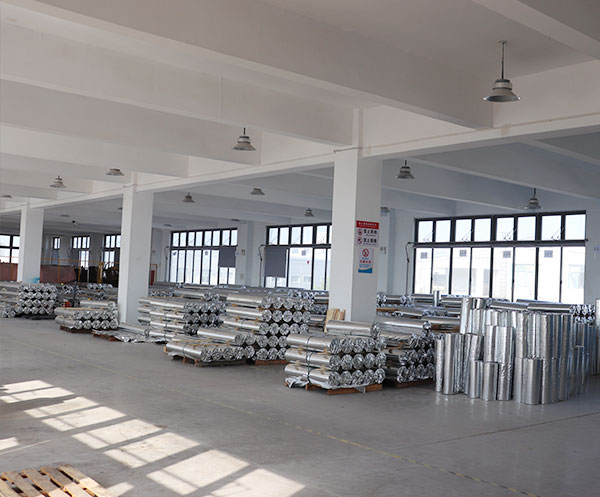
High-strength aluminum-plated woven film: Focuses on improving mechanical properties. The woven base fabric uses high-strength PP flat yarn (tensile strength ≥550MPa), with a weaving density of ≥20×20 threads/10cm, overall tensile strength ≥30MPa, tear strength ≥1.8N/mm, and puncture resistance ≥80N. Suitable for heavy-duty cargo packaging (such as chemical ton bag liners, mechanical parts protective film), capable of withstanding 1-2 tons of weight pulling or impact from sharp objects without damage. Some products also add glass fiber reinforcement to the woven base fabric to further enhance strength, but it should be noted that glass fiber may affect the adhesion of the aluminum plating layer.
Functional aluminum-plated woven film: Possesses special functions such as anti-static, heat resistance, and flame retardancy, achieved by adding functional additives or compounding with special base materials. The anti-static type has a surface resistance ≤10¹¹Ω, suitable for packaging electronic components (such as circuit boards, resistors) to prevent electrostatic discharge; the heat-resistant type uses a CPP heat-sealing layer and can withstand 121℃ steaming for 30 minutes, suitable for packaging cooked food and canned goods; the flame-retardant type meets the UL94 V-2 standard, self-extinguishing within 30 seconds after ignition, suitable for packaging flammable and explosive materials (such as organic solvents, gunpowder).
Environmentally friendly aluminum-plated woven film: Uses recyclable or biodegradable base materials, such as PP/PE recycled materials (content ≥50%), PBAT/PLA biodegradable materials, while optimizing the aluminum plating process to reduce aluminum consumption. After disposal, these products can be mechanically recycled and reprocessed, or degraded in the natural environment (degradation rate ≥90%, conforming to GB/T 20197-2006 standard), suitable for industries with high environmental requirements (such as food and daily chemical industries), especially in line with EU "plastic ban" and other policy requirements. 2.3 Classification by Application Scenario
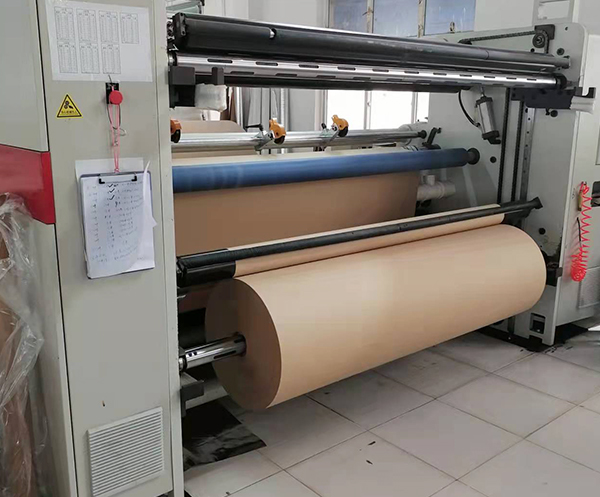
The differing needs of various industries have driven the development of targeted product series for metallized woven films. Common application scenarios include:
Metallized woven film for food packaging: Emphasis is placed on hygiene, safety, and preservation. It must comply with GB 4806 series standards, with heavy metal content ≤10 mg/kg and VOCs (volatile organic compounds) content ≤10 mg/m². Main products include grain packaging bags (such as rice bags, flour bags), snack packaging bags (such as nut bags, potato chip bags), and vacuum packaging films (such as for meat and seafood). For example, metallized woven film for rice packaging often has a "PET / metallized layer / PP woven fabric / PE" structure, with an oxygen transmission rate ≤2 cm³/(m²·24h·0.1MPa) and a water vapor transmission rate ≤1 g/(m²·24h), ensuring that rice can be stored for 6-12 months without mold or insect infestation.
Metallized woven film for chemical packaging: Emphasis is placed on corrosion resistance, sealing, and safety. It must withstand acid and alkali solutions with concentrations below 30% (after 30 days of immersion, the tensile strength reduction rate ≤10%), and some require antistatic or flame-retardant properties. It is mainly used for packaging chemical raw materials such as fertilizers, pesticides, plastic granules, and coatings. A typical structure is "NY / metallized layer / PP woven fabric / CPP," where the NY layer enhances oil and corrosion resistance, and the CPP layer ensures heat-sealable sealing to prevent leakage of chemical raw materials. For example, metallized woven film for pesticide packaging must pass a 72-hour leakage test (filled with pesticide solvent) without any leakage, and also comply with GB 190-2009 hazardous materials packaging standards.
Metallized woven film for agricultural use: The core requirements are weather resistance, thermal insulation, and waterproofing. It requires the addition of UV stabilizers (such as UV-531, added at 0.3%-0.5%), and after artificial accelerated aging (1000 hours of UV irradiation), the tensile strength retention rate must be ≥80%, with a service life of 1-3 years. Our main products include greenhouse covering films, seedling insulation films, and grain storage tarps (waterproof tarps). The greenhouse covering film, typically a "PE / aluminum layer / PE woven fabric / PE" structure, utilizes an aluminum layer to reflect sunlight, lowering the temperature inside the greenhouse (by 3-5℃ in summer), while also providing waterproofing (water vapor transmission rate ≤ 5g/(m²・24h)) to protect crops from rain.
Aluminum-coated woven films for logistics packaging focus on load-bearing capacity, impact resistance, and convenience. They have a tensile strength of ≥25MPa and a dart impact strength of ≥25kJ/m², and can be used for ton bag liners, pallet stretch wrap, and cargo protective covers. Aluminum-coated woven films used as ton bag liners need to be laminated with PP ton bags, with a puncture resistance of ≥70N, to prevent sharp particles (such as ore and metal parts) from puncturing the film; aluminum-coated woven films used as stretch wrap have self-adhesive properties (with added adhesive), a stretch ratio of ≥3 times, and can be tightly wrapped around palletized goods to prevent cargo from scattering during transportation.
Antistatic aluminum-coated woven film ensures the safety of electronic products during storage and transportation
Antistatic aluminum-coated woven film is a core protective material for electronic products during storage and transportation. It uses PP/PE woven fabric as the base, with a vacuum aluminum coating forming a continuous conductive metal layer, providing antistatic protection, barrier performance, and mechanical strength. It effectively shields chips, circuit boards, and precision components from static electricity and environmental hazards.
Its key protective value lies in excellent antistatic performance. The aluminum coating forms a conductive network that reduces surface resistance to 10³–10⁶ Ω, quickly dissipating static charges. Static decay occurs within 0.1 seconds, preventing electrostatic discharge (ESD). ESD can generate instant heat and electromagnetic pulses that damage insulation layers, burn circuits, or shorten product lifespan. The material’s Faraday cage effect also shields external electrostatic fields, eliminating risks at the source.
Additionally, its composite structure offers excellent moisture, oxygen, and puncture resistance, isolating products from water vapor, dust, and corrosive gases during storage and transportation. It withstands mechanical stress such as compression and friction, and can be customized in various sizes to fit pallet wrapping or individual packaging formats, fully protecting electronic products throughout the entire supply chain from production storage to end delivery.
Frequently Asked Questions (FAQs)
1. Which electronic products are suitable for this anti-static aluminum-plated woven film?
It is suitable for chips, circuit boards, precision instruments, semiconductor components, optoelectronic components, and various sensitive electronic products. The film material features anti-static, moisture-proof, anti-oxidation, and puncture-resistant design, providing comprehensive protection for electronic products against environmental and mechanical damage during storage and transportation.
2. How is the anti-static performance of the film material guaranteed?
The aluminum plating layer forms a continuous conductive network, controlling the surface resistance within the range of 10³–10⁶ Ω, with a static decay time of less than 0.1 seconds. This design ensures rapid static discharge, preventing electrostatic discharge (ESD) damage to electronic components, while also shielding against external electrostatic field interference.
3. Can the film material withstand long-distance transportation and harsh environments?
Yes. The material structure combines the high strength of woven fabric with the composite properties of the aluminum layer, providing resistance to tensile stress, tearing, and punctures. It can withstand mechanical impacts such as compression and friction, while also isolating moisture, dust, and corrosive gases, making it suitable for long-distance transportation, sea freight, and warehousing environments.
4. Can the product be customized in size or thickness?
Yes. We offer multi-specification customization services, including different thicknesses, widths, and roll lengths, suitable for pallet wrapping, single-item packaging, or special irregularly shaped products, meeting customers' personalized needs under different packaging forms and storage conditions.
5. What specific safety guarantees does this film material provide for electronic products?
The film material provides multiple protection mechanisms, including anti-static, moisture-proof, anti-oxidation, and resistance to mechanical impact, reducing the risk of damage caused by electrostatic discharge, moisture, dust, corrosion, or external forces. It effectively extends the lifespan of electronic products and reduces logistics losses, making it a reliable solution for the safe storage and transportation of electronic components.
This website uses cookies to ensure you get the best experience on our website.
 Español
 Pусский
 Deutsch
 العربية



 WhatsApp
 Phone
Phone