

In the modern world, the agricultural sector faces numerous challenges, from ensuring crop quality to minimizing waste. One area where innovation has led to significant improvements is packaging. Woven Bags, particularly for agriculture and seed packaging, are essential in addressing many of these challenges. These durable, eco-friendly bags offer reliable, cost-effective solutions for storing, transporting, and protecting agricultural products, particularly seeds. This article delves into the features, advantages, and application of woven bags in agriculture and seed packaging, along with the benefits of choosing them over other packaging alternatives.
Woven bags are made from materials like polypropylene, jute, cotton, and other durable fibers. They are woven together to create a strong, flexible material that can handle a variety of agricultural products. The bags are especially useful in the farming industry for packaging seeds, grains, and other agricultural products that require protection during storage and transportation.
The rise of woven bags in agriculture comes in response to the increasing demand for efficient, eco-friendly, and durable packaging. They have gained popularity due to their ability to handle bulk packaging needs and their eco-conscious attributes, particularly in reducing plastic waste. These bags offer a great alternative to single-use plastic packaging, providing both functional and environmental benefits.
One of the key features of woven bags is their durability. These bags are designed to carry heavy loads, which makes them ideal for agricultural products. Whether it’s bulk grains, seeds, or other harvested products, woven bags provide a strong protective layer, ensuring that the contents stay intact during transportation and storage. Their tightly woven fibers are resistant to punctures, tears, and abrasions, making them perfect for use in rough agricultural conditions.
Woven bags provide essential protection from environmental factors such as moisture, dirt, and insects. For agriculture, particularly in seed packaging, maintaining the quality of the seeds is crucial. Woven bags help safeguard seeds from humidity, which could lead to mold growth or seed deterioration. The ability to block out dust and pests ensures that the seeds remain safe, dry, and in optimal condition during transport or storage.
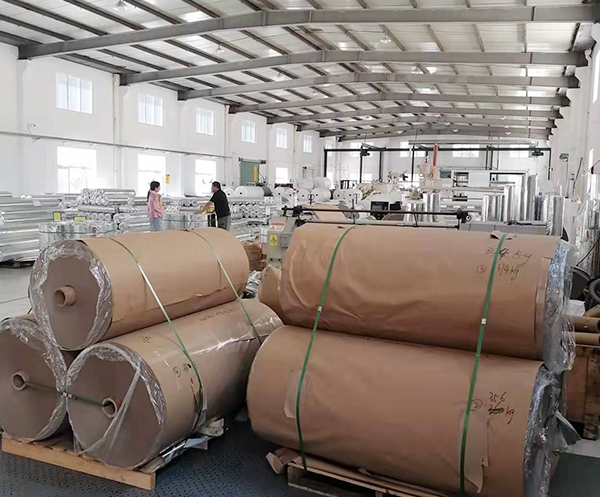
Woven bags are incredibly versatile, suitable for a wide range of agricultural products, including seeds, grains, vegetables, and fertilizers. They are designed in various sizes and strengths to meet the specific needs of different agricultural products. For example, smaller woven bags are used for seed packaging, while larger ones are used for grains and bulk produce. Their adaptability ensures that they can be used in multiple farming environments, from small-scale operations to large agricultural processing plants.
The environmental impact of packaging materials has become a significant concern for both consumers and businesses. Woven bags provide an eco-friendly alternative to plastic bags, which are often single-use and contribute to environmental pollution. Many woven bags are made from recyclable or biodegradable materials like jute or polypropylene. This makes them a sustainable choice for agriculture, aligning with the growing demand for environmentally responsible packaging solutions.
Farmers and agricultural businesses are increasingly looking for packaging options that reduce their carbon footprint, and woven bags meet this demand. By opting for woven bags, businesses can help reduce the amount of plastic waste in the environment and contribute to the global push for sustainability.
Woven bags are a cost-effective packaging solution for agricultural businesses. Despite their durability and strength, woven bags are often more affordable than many other types of packaging materials, such as plastic or metal containers. Their reusability and long lifespan make them an even more economical choice for agricultural operations. Additionally, their lightweight nature helps reduce transportation costs, which can be a significant concern for businesses that need to ship agricultural products over long distances.
Woven bags are easy to handle, stack, and store, making them practical for agricultural use. Their flexible design allows them to conform to various storage spaces, and their lightweight construction makes them easy to move around. Many woven bags come with handles or loops for easy lifting, which is especially important in large-scale agricultural operations where time and efficiency are crucial.
The ability to stack woven bags efficiently allows farmers to optimize storage space, reducing the need for extra storage units. Whether they’re in a warehouse, barn, or shipping container, woven bags can be stored in tight spaces without sacrificing the integrity of the products inside.
Woven bags, especially those designed for seed packaging, offer excellent air permeability. This allows seeds to breathe and prevents moisture buildup, which is critical for seed preservation. If seeds are stored in airtight containers, moisture can accumulate, leading to mold growth and a decrease in seed quality. Air-permeable woven bags prevent this by allowing air to circulate around the seeds, ensuring they stay dry and fresh for longer periods.
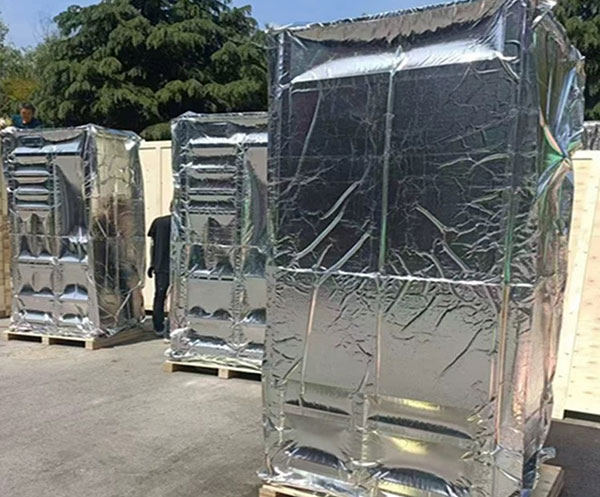
Many suppliers of woven bags offer customization options, allowing businesses to print logos, branding, or specific product information on the bags. This customization is particularly important for businesses in the agriculture industry that want to stand out and promote their products. Whether you're packaging seeds for retail or wholesale distribution, customized woven bags serve as a branding tool and an effective marketing strategy.
For agricultural products like seeds, a secure closure is essential to protect the contents and maintain freshness. Woven bags can be sealed using a variety of methods, including heat sealing, stitching, or with drawstrings. These options ensure that the bags remain closed during transport, preventing seed loss and contamination.
Woven bags are available in a wide range of sizes, from small bags designed for retail seed packaging to larger bags for bulk agricultural products. Businesses can choose the appropriate size to suit their packaging and storage needs. In addition, woven bags come in various styles, such as with or without a lining, depending on the type of product being packaged.
Seed packaging is one of the most common uses for woven bags in agriculture. Whether for vegetable, flower, or grain seeds, woven bags provide the necessary strength and protection to ensure that seeds are safe during storage and shipping. These bags are designed to withstand rough handling and environmental elements, making them ideal for packaging high-value agricultural products like seeds.
Woven bags are also widely used in packaging grains and other bulk agricultural products. These bags are perfect for storing and transporting products like rice, wheat, corn, and other grains. The strength and durability of woven bags ensure that bulk products are safely transported and stored without risk of damage or contamination.
In addition to seeds and grains, woven bags are also used to package fertilizers and other agricultural chemicals. These bags provide an effective solution for packaging bulk chemicals while keeping them contained and safe. With their strength and resistance to punctures and abrasions, woven bags are ideal for packaging products that require extra durability.
When selecting a supplier for Woven bags for agriculture and seed packaging, it’s important to consider several factors. First, ensure that the supplier offers high-quality, durable bags made from sustainable materials. The supplier should also be able to provide customization options and ensure that the bags meet the necessary standards for food safety and environmental impact. Finally, look for a supplier that offers competitive pricing and reliable delivery times to ensure a smooth, efficient process for your agricultural packaging needs.
Woven bags are an indispensable solution in the agriculture industry, particularly for seed packaging and bulk agricultural product storage. Their durability, strength, and eco-friendly nature make them an excellent choice for businesses looking to reduce waste and ensure the safe transportation and storage of agricultural products. With their versatile applications and environmental benefits, woven bags are leading the way in sustainable packaging solutions for agriculture.
This website uses cookies to ensure you get the best experience on our website.
 Español
 Pусский
 Deutsch
 العربية



 WhatsApp
 Phone
Phone
Comment
(0)