

Top woven bag suppliers for bulk material handling are critical in providing high-quality, durable, and reliable packaging solutions for industrial, agricultural, and commercial applications. Bulk materials, such as grains, fertilizers, chemicals, and construction products, require safe, efficient, and protective storage and transport. Working with top Woven bag suppliers for bulk material handling ensures businesses receive robust bags capable of withstanding heavy loads, environmental challenges, and long-term usage.
This guide explores top woven bag suppliers for bulk material handling, their products, material selection, manufacturing process, applications, advantages, and best practices, helping businesses optimize their supply chain and packaging operations.
Woven bags for bulk material handling are Durable packaging solutions designed to carry and protect heavy or large-volume products. These bags are created from woven synthetic fibers, most commonly polypropylene (PP) or polyethylene (PE), which provide high tensile strength, tear resistance, and flexibility.
The construction of woven bags for bulk material handling allows them to accommodate heavy loads while maintaining shape and integrity. Many bags are laminated or coated to enhance resistance to moisture, UV light, and contamination, making them ideal for industrial, agricultural, and commercial applications.
Top woven bag suppliers for bulk material handling focus on producing high-quality, consistent bags suitable for various bulk products, ensuring efficiency and safety in storage and transportation.
High Load Capacity: Woven bags can carry large quantities of bulk materials, making them suitable for grains, fertilizers, chemicals, and construction products.
Durability: The woven structure provides superior strength and tear resistance.
Moisture Resistance: Coated or laminated bags prevent water ingress, protecting sensitive bulk materials.
Reusability: Durable woven bags can be reused multiple times, reducing packaging costs and waste.
Customizable Sizes: Bags are available in various sizes and capacities to match the specific bulk material requirements.
Ease of Handling: Designed for forklift, pallet, and manual handling, ensuring operational efficiency.
Environmental Sustainability: Many woven bags are recyclable, supporting green initiatives.
Top woven bag suppliers for bulk material handling follow rigorous manufacturing processes to ensure quality and consistency:
High-quality PP or PE polymers are extruded into filaments, which serve as the base material for weaving. The strength and durability of the bag depend on the quality of these fibers.
The filaments are woven into strong, tear-resistant fabric. The weave density and fiber thickness are adjusted according to the load capacity and application of the woven bags.
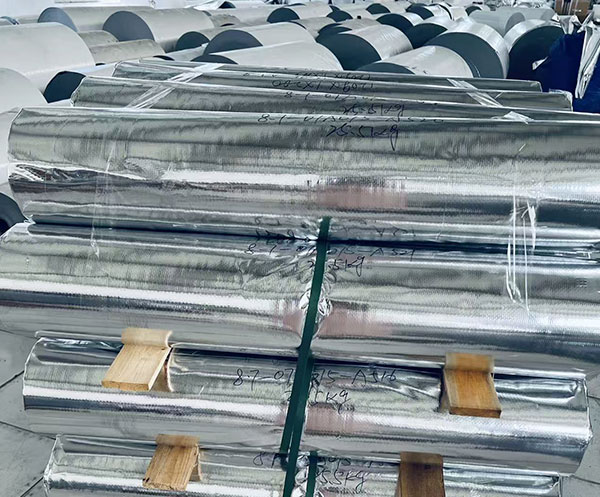
Many woven bags receive a coating or lamination layer to enhance resistance to moisture, UV exposure, and chemicals. This step is crucial for bulk materials that may be sensitive to environmental conditions.
Fabric sheets are cut to size and sewn into bags using reinforced stitching. Some suppliers also offer heat sealing to enhance durability.
Each batch of woven bags undergoes strict quality control tests, including tensile strength, tear resistance, moisture barrier performance, and dimensional accuracy.
Woven bags for bulk material handling are widely used for grains, seeds, fertilizers, and animal feed. Their strength and protective properties prevent product loss and contamination during storage and transport.
Industrial products such as chemicals, powders, and construction materials are packaged in woven bags due to their robustness and ability to handle heavy loads. They improve operational efficiency and reduce product wastage.
Top woven bag suppliers for bulk material handling provide solutions suitable for long-distance transport and export. Laminated woven bags prevent moisture, UV damage, and physical wear, ensuring products reach their destination safely.
Food-grade woven bags are used for packaging grains, pulses, and dry bulk ingredients. Their protective qualities maintain hygiene and reduce contamination risks.
Working with top woven bag suppliers for bulk material handling ensures that all bags meet stringent quality standards for durability, strength, and performance.
Suppliers can provide customized bag sizes, weaving densities, coatings, and printing options to meet specific business needs.
High-quality woven bags improve handling, stacking, and storage efficiency, reducing product loss and labor costs.
Recyclable and reusable woven bags contribute to environmental sustainability while maintaining product safety.
Top suppliers offer timely delivery and scalable production, supporting businesses in maintaining continuous operations without packaging shortages.
Choose polypropylene or polyethylene woven bags based on load requirements, environmental exposure, and product type.
Select bags with sufficient strength and tensile capacity to handle the intended bulk material safely.
Evaluate environmental factors, such as moisture and UV exposure, and select laminated or coated bags if necessary.
Select the appropriate dimensions to optimize storage, transport, and handling efficiency.
Consider using bags that are reusable or recyclable to support sustainable operations and reduce costs.
Plain Woven Bags: Basic construction for dry bulk materials.
Laminated Woven Bags: Added moisture and UV resistance for sensitive products.
Valve Bags: Self-filling design for powders and granular materials.
Gusseted Bags: Expandable design for bulky or irregular materials.
Custom Printed Woven Bags: For branding and product identification.
Proper Storage: Keep woven bags in a dry, cool area to avoid moisture damage.
Avoid Sharp Objects: Prevent punctures by handling carefully.
Correct Stacking: Use pallets or shelving to prevent deformation.
Inspection: Check bags for defects such as tears, weak stitching, or coating damage.
Safe Filling: Avoid overfilling to maintain bag integrity and prevent accidents.
Top woven bag suppliers for bulk material handling increasingly focus on sustainability:
Recyclable Materials: Most woven bags can be recycled to reduce waste.
Reusable Bags: Bags can be reused multiple times for economic and environmental benefits.
Reduced Product Loss: Durable bags reduce spoilage, minimizing waste.
Sustainable Fibers: Some bags incorporate recycled polymers or biodegradable fibers.
Suppliers ensure woven bags for bulk material handling meet rigorous testing standards:
Tensile Strength: Ensures load-bearing capacity.
Tear and Puncture Resistance: Confirms durability under stress.
Moisture Barrier Testing: Prevents water damage to products.
UV Resistance: Tests for outdoor or long-term exposure.
Dimensional Accuracy: Ensures correct size for stacking and handling.
Top woven bag suppliers for bulk material handling provide critical solutions for packaging, storage, and transport across agricultural, industrial, commercial, and export sectors. Their products offer durability, moisture resistance, strength, and environmental sustainability. Choosing high-quality suppliers ensures operational efficiency, product protection, and long-term cost savings.
Optimizing packaging with top woven bag suppliers enhances supply chain reliability and ensures safe, efficient, and eco-friendly handling of bulk materials.
This website uses cookies to ensure you get the best experience on our website.
 Español
 Pусский
 Deutsch
 العربية



 WhatsApp
 Phone
Phone
Comment
(0)