

Woven Bags for commercial and agricultural use are essential packaging solutions designed for industries requiring durability, strength, and protection during storage, transportation, and handling. These bags are widely used in agriculture for grains, seeds, fertilizers, and animal feed, as well as in commercial sectors for various bulk products. The combination of woven construction and versatile design makes woven bags for commercial and agricultural use reliable, cost-effective, and sustainable solutions for businesses of all sizes.
In this guide, we will provide a thorough overview of woven bags for commercial and agricultural use, including materials, manufacturing processes, structural advantages, performance benefits, applications, selection criteria, environmental considerations, and best practices for usage. By understanding these aspects, businesses can optimize packaging solutions and improve operational efficiency.
Woven bags for commercial and agricultural use are made from synthetic or natural fibers woven into strong fabrics, offering high tensile strength and resistance to wear and tear. These bags provide excellent protection for products during storage and transportation, preventing contamination, moisture ingress, and product loss. They are designed to support heavy loads, making them suitable for both industrial and agricultural applications.
Typically, woven bags for commercial and agricultural use are manufactured from polypropylene (PP) or polyethylene (PE) fibers, which are woven into sheets and then cut, stitched, or heat-sealed into bags of various sizes. Some bags may include additional coatings, such as lamination or UV-resistant layers, to enhance performance in specific environments.
The strength, flexibility, and lightweight properties of these woven bags make them an essential component in modern supply chains. By using woven bags for commercial and agricultural use, businesses can ensure product integrity, minimize losses, and meet industry regulations for safe packaging.
The core of woven bags for commercial and agricultural use is the woven fabric, which can be manufactured from polypropylene (PP) or polyethylene (PE) fibers. These fibers are interlaced to form a strong, tear-resistant structure capable of holding heavy materials.
Some woven bags for commercial and agricultural use feature coatings or laminations to enhance moisture resistance, UV protection, and durability. Laminated or coated bags are particularly useful for agricultural products that may be exposed to rain or sunlight.
The strength of woven bags for commercial and agricultural use is further enhanced through reinforced stitching or heat sealing. High-quality stitching ensures the bag can withstand stress during filling, handling, and transport.
Woven bags come in a variety of sizes and capacities, ranging from small 5kg bags for seeds to large 50kg or 100kg bags for grains and industrial bulk materials. Choosing the correct size ensures safe handling and optimal storage.
Woven bags for commercial and agricultural use provide multiple advantages for industries requiring reliable packaging solutions:
The woven construction provides exceptional tensile strength, allowing bags to carry heavy loads without tearing. This ensures safe transportation and reduces product loss.
Many woven bags include coatings or lamination to prevent moisture ingress. Woven bags for commercial and agricultural use protect products like grains, fertilizers, and powders from humidity and water damage.
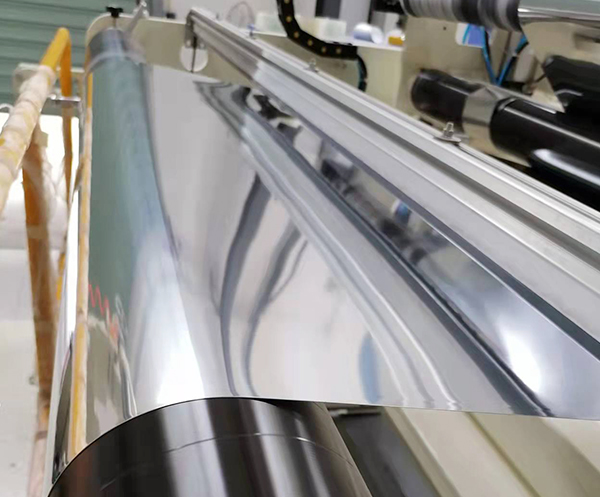
Despite their strength, woven bags remain lightweight, which reduces transportation costs. They are also reusable in some cases, offering further cost efficiency.
The tight weave of the fabric minimizes dust infiltration and prevents contamination, maintaining the quality and integrity of the packaged goods.
Woven bags for commercial and agricultural use can store a wide range of products, including agricultural commodities, construction materials, chemicals, and food items.
Many woven bags are recyclable, reusable, and require less material than alternative packaging, making them an eco-friendly solution for commercial and agricultural industries.
In agriculture, woven bags for commercial and agricultural use are widely used for packaging grains, seeds, animal feed, fertilizers, and agricultural chemicals. Their strength and moisture resistance ensure safe storage and transport while reducing spoilage.
For commercial industries, these bags provide reliable storage and shipping for products such as bulk food items, construction materials, powders, and small industrial components. Their durability and lightweight design make them ideal for high-volume operations.
Woven bags for commercial and agricultural use are ideal for export shipping due to their ability to withstand long-distance transportation and environmental challenges. Laminated bags prevent moisture, UV damage, and physical wear during transit.
In factories and warehouses, woven bags simplify material handling, improve storage efficiency, and reduce product loss. They are compatible with automated filling systems and palletized shipping.
Polypropylene or polyethylene fibers are extruded and drawn into strong filaments for weaving. The quality of the fiber affects the overall strength of woven bags for commercial and agricultural use.
Filaments are woven into strong fabric sheets, with variable density and thickness depending on the required load capacity and application.
Some woven bags for commercial and agricultural use undergo a lamination process to improve moisture and UV resistance, enhancing durability for outdoor or long-term storage.
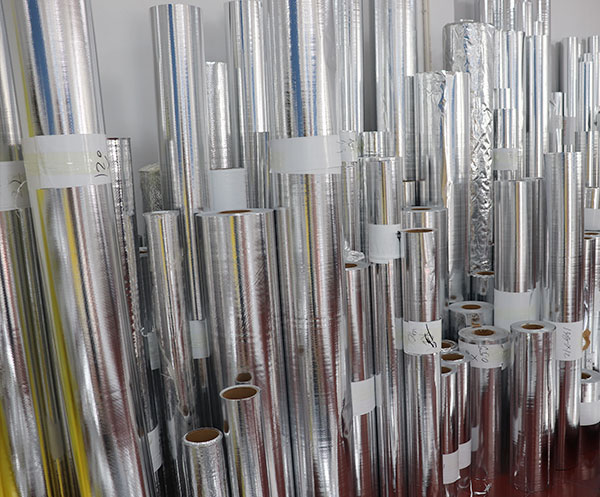
Fabric sheets are cut into bag-sized panels and stitched or heat-sealed to form completed bags. Reinforced stitching improves tensile strength and resistance to tearing.
Each batch of bags is tested for weight capacity, tear resistance, dimensional accuracy, and coating integrity to ensure consistent performance.
Choose bags rated for the weight and volume of the product. Overloading may compromise safety and durability.
Consider exposure to moisture, UV light, and temperature extremes. Laminated or coated woven bags for commercial and agricultural use provide additional protection.
Select the bag size appropriate for your storage, handling, and transport systems. Properly sized bags improve efficiency and reduce waste.
If environmental impact is a concern, select woven bags that are reusable or recyclable, supporting sustainable packaging goals.
Store in Dry Conditions: Keep bags away from water or humidity before filling.
Avoid Sharp Edges: Prevent punctures by handling bags carefully and avoiding contact with sharp objects.
Train Staff: Educate workers on proper handling, filling, and stacking techniques.
Inspect Before Use: Check bags for defects such as tears, weak stitching, or coating damage.
Stack Safely: Use pallets or shelving to prevent deformation and maintain structural integrity.
Woven bags for commercial and agricultural use can support environmentally friendly practices:
Recyclable Materials: Many bags can be recycled after use, reducing waste.
Reusable Bags: Durable construction allows multiple uses, cutting down material consumption.
Reduced Product Loss: By protecting contents, bags reduce waste in the supply chain.
Sustainable Fibers: Some bags incorporate recycled polymers or biodegradable fibers for eco-friendly packaging.
Manufacturers perform rigorous tests on woven bags for commercial and agricultural use to ensure quality and reliability:
Tensile Strength: Measures load-bearing capacity.
Tear and Puncture Resistance: Ensures durability under stress.
Moisture Barrier Performance: Assesses water resistance for agricultural products.
UV Resistance Testing: Checks for longevity in sunlight exposure.
Dimensional Accuracy: Confirms proper size and shape for storage and transport.
Woven bags for commercial and agricultural use are essential for industries seeking reliable, durable, and versatile packaging solutions. Their combination of strength, moisture resistance, lightweight construction, and environmental advantages makes them ideal for agricultural products, commercial goods, and industrial materials.
By selecting high-quality woven bags for commercial and agricultural use, businesses can improve product protection, reduce waste, optimize storage and transportation efficiency, and contribute to sustainable packaging practices. These bags represent a cost-effective and reliable solution that meets the rigorous demands of modern supply chains.
This website uses cookies to ensure you get the best experience on our website.
 Español
 Pусский
 Deutsch
 العربية



 WhatsApp
 Phone
Phone
Comment
(0)